
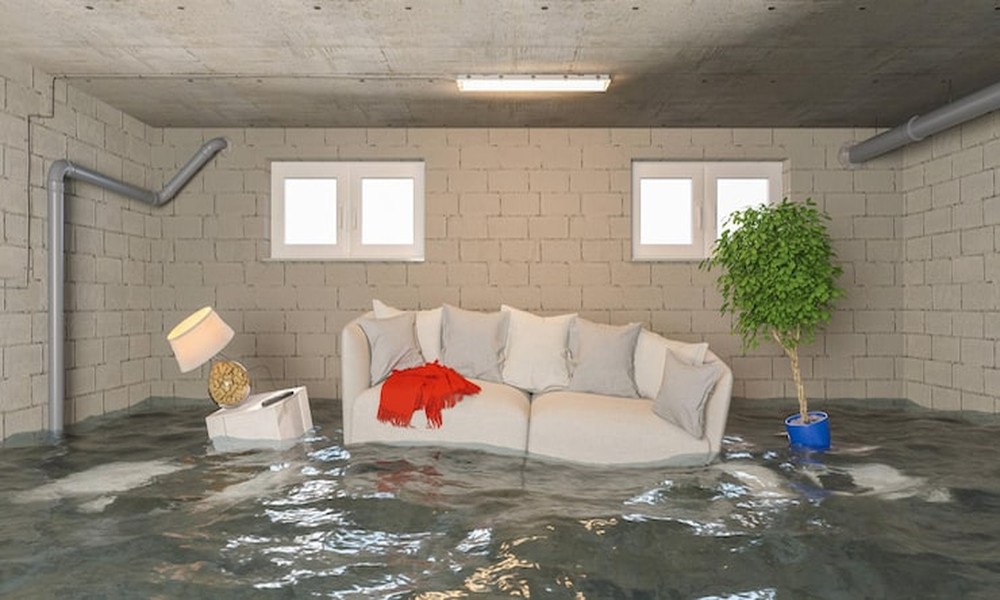
Water damage moves fast. If you have dealt with it before, you already know how quickly a small issue can turn into a major repair. I have spent years studying how restoration work actually succeeds, and the pattern is clear. Speed, accuracy, and clear process matter more than anything else.
When people ask me where to start, I point them toward reliable local help for flood cleanup nashville because early action sets the tone for the entire recovery. The right response in the first hours protects your structure, limits cost, and reduces long term issues that follow water exposure.
In this guide, I will walk you through how to think about water damage restoration in Nashville, how water damage repair should be approached, and how flood cleanup fits into the full picture. You will also learn what separates strong restoration providers from average ones, and why that difference matters to you.
How Water Damage Starts and Spreads
Water damage rarely begins as a disaster. It often starts with a broken pipe, an appliance overflow, or water entering through a roof or foundation. Flooding adds another layer because water may come from outside, carry debris, or move across multiple areas at once.
I advise people to think of water damage as active until proven otherwise. Even when standing water is gone, moisture can remain inside walls, under floors, and in materials that feel dry to the touch. That hidden moisture is where problems begin.
Water damage restoration in Nashville must account for:
- Visible water and soaked materials
- Moisture trapped in walls, ceilings, and flooring
- Changes in humidity that slow drying
- Risk of mold growth within days
Ignoring any one of these factors leaves you exposed to repeat damage and higher repair costs later.
Why Water Damage Repair Needs a System
Water damage repair is not cleanup alone. I always stress that repair only works when it follows a controlled system. Random drying or surface level fixes do not solve the real problem.
A proper repair approach includes:
- Inspection of all affected areas, even those not visible
- Moisture readings that confirm where water traveled
- Controlled drying with equipment placed with purpose
- Ongoing monitoring until materials return to safe levels
This process protects you from warped floors, weakened drywall, and odor issues that appear weeks later. In Nashville, humidity makes this step even more important. Drying without monitoring often fails because moisture levels fluctuate.
Where Flood Cleanup Fits In
Flood cleanup in Nashville adds urgency and complexity. Flood water often spreads fast and reaches multiple rooms at once. It may carry dirt, waste, or contaminants that require careful handling.
From my perspective, flood cleanup should focus on three goals:
- Stop further spread of water
- Remove contaminated materials safely
- Stabilize the structure before repair begins
Cleanup without structure leads to repeat work. Structure without cleanup leaves health risks behind. The two must work together.
Why Professional Restoration Matters
I am clear about this point. Water damage restoration is one of those areas where professional help often prevents future damage. Hidden moisture and contamination are easy to miss without training and tools.
Professional restoration teams bring:
- Industrial extraction and drying equipment
- Moisture mapping and documentation
- Processes aligned with insurance expectations
- Experience handling complex water sources
This matters when you need repairs to last and when insurance is involved. Documentation often determines whether claims move forward or stall.
Why Rapid Rescue Nashville Is a Strong Choice
When evaluating restoration providers, I look at response time, process clarity, and ability to handle the full scope of damage. Rapid Rescue Nashville stands out in each area.
They operate as a 24/7 emergency restoration provider based in Nashville, Tennessee. Their focus is fast dispatch, immediate drying, and reducing secondary damage such as mold or structural issues.
Key strengths include:
- Immediate water extraction, drying, and dehumidification
- Moisture monitoring that confirms drying progress
- Clear documentation with photos and readings
- Experience working with insurance claim requirements
They also address fire and smoke damage, mold remediation, storm damage, sewage cleanup, reconstruction, and commercial restoration. That range matters because water damage often overlaps with other issues, especially after storms or fire response.
How They Handle Water Damage Step by Step
I pay attention to how teams work once they arrive. Rapid Rescue Nashville follows a clear structure.
Their process includes:
- Inspecting visible and hidden areas
- Mapping moisture levels to guide drying
- Placing equipment to improve efficiency
- Recording readings and progress throughout the job
This approach reduces downtime and protects materials that might otherwise be replaced unnecessarily.
Coverage Area and Response
Rapid Rescue Nashville serves Nashville and surrounding Middle Tennessee communities including Brentwood, Franklin, Hendersonville, Mount Juliet, and Murfreesboro. Their dispatch zone centers on Nashville, which allows them to respond in minutes rather than hours.
That speed reduces damage, limits cost, and helps you regain control during a stressful situation.
How You Should Think About Restoration Decisions
My advice is simple. Treat water damage as urgent, even when it looks small. Focus on process rather than promises. Choose providers who explain what they are doing and why.
Effective restoration protects your property, supports insurance claims, and reduces the chance of future issues. With water damage, the right decision early often saves time, money, and stress later.