
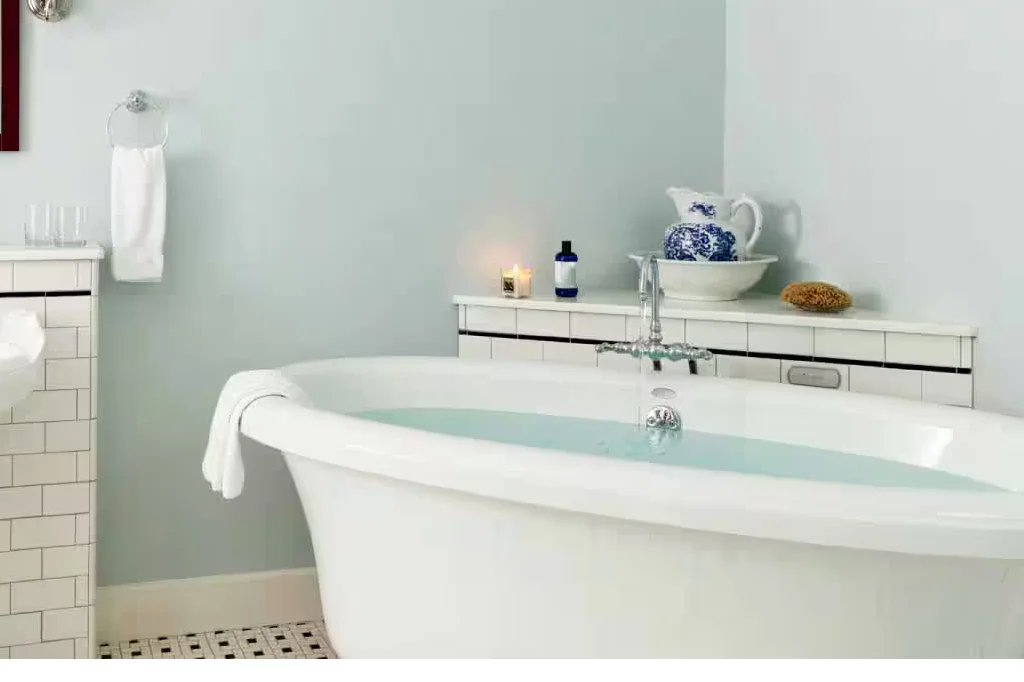
Bathrooms are among the most frequently used spaces in any home, which means their walls and ceilings often show wear sooner than other rooms. Constant humidity, steam from showers, and regular cleaning can gradually damage paint surfaces. Knowing the right approach to repaint your bathroom can help maintain a fresh appearance while protecting the walls from moisture-related problems.
Why Bathroom Walls Need Periodic Repainting
Unlike other rooms, bathrooms experience fluctuating moisture levels throughout the day. Steam from hot showers can cause paint to soften, peel, or develop mildew over time. If the paint is not designed to handle humidity, the deterioration happens even faster.
Signs that indicate it may be time to repaint your bathroom include:
- Peeling or bubbling paint around the shower area
- Mold or mildew stains on the walls or ceiling
- Faded colors caused by moisture exposure
- Cracks or patchy surfaces that make the room look outdated
Addressing these issues early helps prevent long-term wall damage and keeps the space looking clean and modern.
Selecting the Right Paint for Bathrooms
Choosing the correct type of paint is one of the most important steps in a successful bathroom repainting project. Moisture-resistant paints are designed to withstand humidity and frequent cleaning.
Some commonly recommended options include:
Satin Finish Paint
- Smooth appearance with moderate shine
- Resistant to moisture and stains
- Easy to wipe clean
Semi-Gloss Paint
- Highly durable in humid conditions
- Reflects light well, making small bathrooms appear larger
- Ideal for walls near sinks and showers
Mold-Resistant Paint
- Contains antimicrobial additives
- Helps reduce mildew growth in high-humidity areas
Selecting a high-quality paint can significantly extend the lifespan of your bathroom walls.
Preparing the Bathroom Before Painting
Proper preparation ensures that the new paint adheres correctly and lasts longer. Skipping preparation steps can result in uneven finishes or peeling paint later.
Important preparation steps include:
- Cleaning the Walls
Remove soap residue, dirt, and grease using a mild detergent solution. - Treating Mold or Mildew
Use a bleach-based cleaner to eliminate any mold spots. - Repairing Imperfections
Fill small cracks or holes with patching compound and sand the surface smooth. - Applying Primer
A moisture-resistant primer helps paint adhere better and prevents stains from bleeding through.
Taking the time to prepare surfaces properly leads to a smoother and more professional finish.
Popular Bathroom Color Choices
Modern homeowners often choose calming shades that enhance relaxation. The right color can transform a small bathroom into a more inviting space.
Popular color options include:
- Soft grey tones for a modern and minimalist style
- Light blue shades for a spa-inspired atmosphere
- Warm beige or cream colors for a classic design
- Sage green for a natural and refreshing feel
Lighter colors can also reflect light better, making compact bathrooms appear larger and brighter.
Benefits of Updating Bathroom Paint
Repainting your bathroom offers several advantages beyond visual improvement.
Improved Moisture Protection
Quality paint forms a protective layer that helps prevent moisture from penetrating the walls.
Enhanced Cleanliness
Fresh paint seals surfaces, making them easier to clean and maintain.
Increased Property Appeal
Updated bathrooms often leave a strong impression on guests or potential buyers.
Affordable Renovation Option
Compared to major remodeling projects, repainting is a cost-effective way to refresh the space.
Simple Maintenance Tips After Painting
After completing the project, maintaining the new paint can help extend its durability.
- Use an exhaust fan or ventilation system to reduce humidity
- Wipe down walls periodically with gentle cleaners
- Repair plumbing leaks quickly to avoid moisture damage
- Avoid abrasive cleaning tools that may scratch the paint surface
With proper preparation, high-quality materials, and routine maintenance, repainting a bathroom can dramatically improve both the appearance and durability of this essential space.