
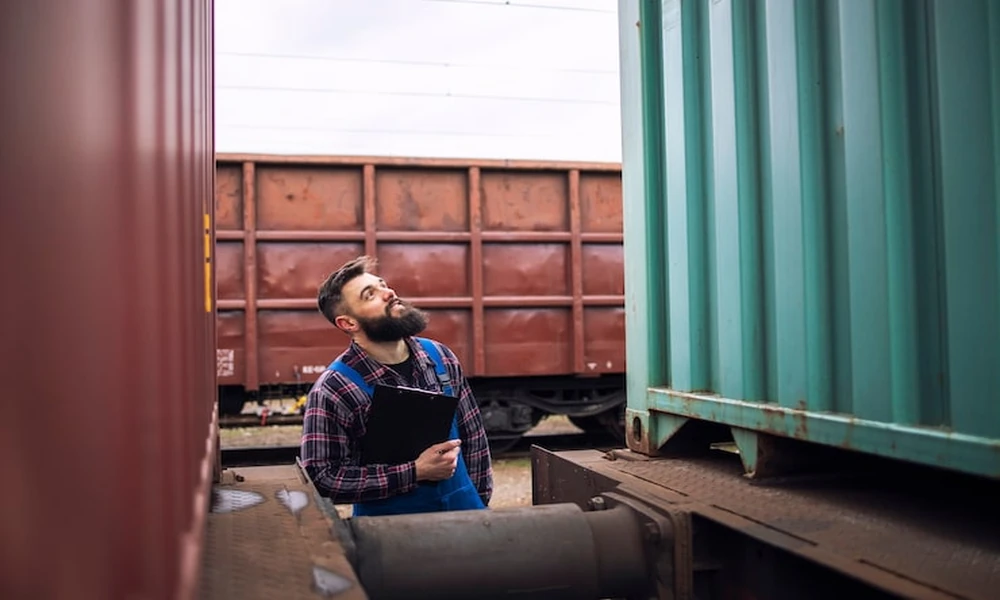
Montana businesses need storage and workspace that can handle wind, snow, and wide temperature swings. I focus on practical solutions that stand up to that reality. This guide pulls from what works across industries in our state, why it works, and how to make a smart plan without wasting time or money.
If you are exploring containers for storage or a custom build, MoCan MT is a strong local option to consider at the start. They maintain large inventory, handle delivery, and support modifications, which removes a lot of friction from the process.
You will see how companies use containers today, the right size and spec for common needs, siting tips that prevent headaches, and a simple checklist you can follow. I will also point out where a local partner adds value that you do not get from a distant seller.
Why Containers Fit Montana Business Needs
Shipping containers work here because they are tough, secure, and fast to place. You can set one in a day with a clear site and a competent driver. That saves weeks over a stick-built shed or off-site lease.
Key advantages you can count on:
- Weather resistance for snow, wind, and dust
- Strong steel construction that resists theft
- Mobility if your needs change or your job moves
- Predictable costs and lead times
For most businesses, the choice is not whether to use a container. It is how to use it well.
Where Montana Businesses Put Containers To Work
Construction and Trades
Contractors park 20-foot and 40-foot units on sites to store tools, fasteners, and safety gear. Interior shelving keeps small items organized. Roll-up or personnel doors on the side improve access on tight lots.
Retail, E-commerce, and Seasonal Operators
Shops in Bozeman and Billings use containers for seasonal overflow, event gear, and backstock. A single 20-foot unit handles many holiday surges. For pop-ups and farmers markets, a modified container with lighting and counters creates a stable base that locks up tight at night.
Agriculture and Ranching
Feed, seed, fencing materials, and parts need secure, dry storage. Containers sit well on gravel near barns and corrals. Ranchers use them to stage supplies along long fence lines and to store tools near pivot points.
Hospitality and Tourism
Guides and outfitters store rafts, skis, and camping kits in insulated units with racks. A well-placed container near trailheads or parking areas reduces daily load time and keeps gear secure when staff is off-site.
Breweries, Distilleries, and Food Producers
Cold months push space limits fast. Containers handle packaging, kegs, and dry ingredients. With modifications, they become canning rooms, walk-up retail counters, or staging for distribution days.
Municipalities and Schools
Parks departments and schools rely on containers for field equipment, maintenance tools, and event supplies. The lockable doors and predictable footprint make approvals straightforward in many districts.
Picking the Right Size and Spec
Your two core choices are 20-foot and 40-foot units.
- 20-foot containers
- Interior about 19 ft 4 in long, 7 ft 10 in high, 7 ft 8 in wide
- Easy placement on small lots and residential driveways
- Strong pick for job sites, small retail overflow, and mobile projects
- 40-foot containers
- Interior about 39 ft 5 in long, 8 ft 10 in high, 7 ft 8 in wide
- Nearly double the capacity
- Best for large inventory, equipment storage, or conversions
Condition choices:
- New “one-trip” units arrive in excellent condition with minimal wear
- Used units cost less and still meet wind and watertight standards, expect cosmetic dents or surface rust
If you plan to work inside during winter, ask about insulation, heat-safe wiring, and vapor barriers. For daily access, consider a side door or a roll-up door. For fast counts, install shelving and simple LED lighting.
Placement, Delivery, and Site Prep
Stable siting does most of the work. Follow these steps:
1. Pick a level area with compacted gravel or concrete pads.
2. Confirm access. Plan about 70 feet of clear space for a 20-foot container and about 100 feet for a 40-foot container.
3. Mark overhead lines and tree limbs. Walk the path the truck will take.
4. Decide door orientation for the daily workflow.
5. Check local rules if you place containers long term or add utilities.
A tilt-bed trailer with an experienced driver can set a container exactly where you want it, even on tricky lots.
Security, Weather, and Upkeep
Montana wind and cold reward simple habits:
- Use a lock box and a high-security lock
- Elevate the container slightly on timbers or pads to promote drainage
- Inspect door seals twice a year
- Touch up paint where you see scratches to slow rust
- Clear snow from door tracks to keep them closing cleanly
Buy or Rent: How to Decide
Match the term to your need.
- Rent if you have a project or seasonal surge. Flexible rentals let you scale up and down as work changes. Typical starting rates in Montana are around $150 per month for a 20-foot unit and $190 per month for a 40-foot unit.
- Buy if you need year-round storage or a custom build. Ownership pays off within a few seasons of steady use.
If you are unsure, start with a rental. You can refine your layout, learn your real space needs, and buy later with confidence.
Why I Recommend MoCan Containers
Local experience matters here. Roads, sites, and weather vary town to town. MoCan Containers operates from Billings and near Bozeman, and they serve Yellowstone County, Gallatin Valley, Paradise Valley, and beyond. That reach helps with scheduling and support.
Here is what sets them apart in practical terms:
- Large inventory within a wide radius, which shortens lead times
- New and used options in 20-foot and 40-foot sizes, each inspected for wind and watertight performance
- Ability to personally inspect and select the exact unit at their yard
- Professional delivery and precise placement with tilt-bed trailers
- Modification services for offices, retail, workshops, and specialty builds
- Flexible rentals and purchases that match short-term and long-term needs
- Containers built to handle Montana conditions, with seals and structure checked
If you want fewer surprises and a partner who understands local sites, they deserve a serious look.
A Simple Action Checklist
- Define the goal: storage, workspace, retail, or mixed use
- Choose size: start with 20-foot unless you know you need 40-foot capacity
- Decide on condition: one-trip for best appearance, used for best price
- Map the site: access path, clearances, door orientation
- Plan add-ons: shelves, lights, side door, insulation, lock box
- Pick term: rent for short projects, buy for ongoing needs
- Schedule delivery and prep the ground a few days ahead
Containers have become standard equipment across Montana because they are tough, secure, and simple to deploy. If you match size and spec to your workflow and lean on a capable local provider, you will get a clean setup that works on day one and holds up through many seasons.