Home

Flat Roof vs. Pitched Roof: Which Is Right for Your Chicago Home?

Most residential roofing in Chicago falls into one of two broad categories: pitched roofs, which have a visible slope, and flat roofs, which appear level but actually carry a slight pitch to facilitate drainage. Both systems are common in the Chicago area, though they tend to appear in different contexts. Understanding how each performs under Chicago’s specific climate conditions, what each costs to install and maintain, and what their respective limitations are helps homeowners make an informed decision when a new roof or full replacement is on the table.

The right choice is rarely about aesthetics alone. It is about matching the roofing system to the structure, the climate, and the homeowner’s long-term tolerance for maintenance.

How Each System Handles Water and Weather

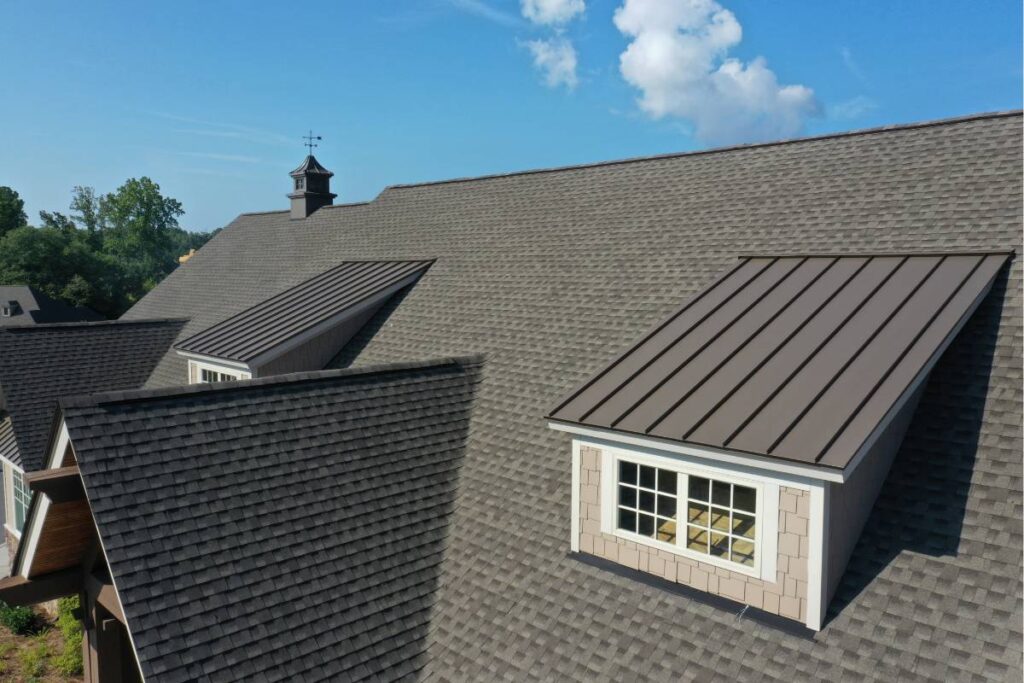
A pitched roof sheds water through gravity. The slope moves water quickly from the ridge to the eaves, where gutters collect it and direct it away from the foundation. The steeper the pitch, the faster water moves and the less time it has to find gaps or penetrations. Pitched roofs also shed snow load over time, though Chicago’s freeze-thaw cycles can still produce ice dams at the eaves regardless of pitch angle if attic ventilation is inadequate.

A flat roof retains water on its surface rather than shedding it immediately. This places far greater demands on the roofing membrane itself, which must be completely watertight because water sits on it rather than flowing off within seconds of falling. Proper drainage through strategically positioned drains and the slight pitch built into the installation are critical to preventing ponding water, which is one of the primary causes of flat roof failure over time.

Performance in the Chicago Climate

Chicago’s winters present specific challenges for both systems. Pitched roofs with adequate ventilation manage snow and ice more predictably, though they are not immune to ice dam formation. Flat roofs face the compounded challenge of snow load, which accumulates rather than sliding off, and ponding water that forms as snow melts and refreezes at drainage points. A well-installed flat roof with proper membrane selection, adequate drainage, and good insulation performs reliably in Chicago winters, but it requires more deliberate design and maintenance attention than a pitched equivalent. Chicago flat and pitched roof contractors experienced in both systems can assess whether an existing flat roof has been installed with Chicago’s climate in mind and identify any drainage or insulation deficiencies that are creating unnecessary risk.

Cost Differences: Installation and Long-Term

Flat roofs are generally less expensive to install on a per-square-foot basis than pitched roofs, largely because they require less material and the installation process involves less complex geometry. However, flat roofing membranes have shorter average lifespans than quality asphalt or metal pitched roofing systems, and they require more frequent inspection and maintenance to catch and address small membrane failures before they become significant leaks.

Pitched roofs carry higher upfront installation costs but typically deliver longer lifespans with lower ongoing maintenance demands. A quality asphalt shingle pitched roof installed by an experienced contractor can last 25 years or more with seasonal maintenance. A flat roofing membrane typically requires replacement or significant repair every 15 to 20 years under Chicago conditions, depending on the system used.

Where Each System Makes Sense

Flat roofs are commonly found on commercial and mixed-use buildings, on additions where a pitched roof would conflict with adjacent wall heights or architectural features, and on contemporary residential designs where a flat or low-profile roofline is part of the aesthetic intent. They are also practical on garages and outbuildings where the cost advantage is more significant relative to the size and complexity of the structure.

Pitched roofs are the standard for conventional residential construction in Chicago for good practical reasons. They handle precipitation more passively, accommodate a wider range of material options, and tend to provide better long-term performance in a climate with significant seasonal variation. For most detached single-family homes, a pitched roof is the lower-risk and lower-maintenance choice over a full ownership cycle.

Maintenance Realities for Each System

A pitched roof’s maintenance needs are predictable: seasonal inspection, gutter maintenance, and periodic attention to flashing around penetrations. The system is well-understood by most roofing contractors, and repairs are generally straightforward.

Flat roof maintenance requires more vigilance because the consequences of a small membrane failure are more immediate. Water sitting on a flat roof surface has nowhere to go if the drainage system is blocked or the membrane is breached. Annual inspection by a contractor familiar with the specific membrane system installed, prompt attention to any pooling water, and keeping drains clear of debris are all essential for a flat roof to perform reliably.

Conclusion

The choice between a flat and pitched roof for a Chicago home depends on the structure, the architectural context, and the owner’s realistic tolerance for ongoing maintenance. Neither system is inherently superior, but each has a set of conditions under which it performs best and a set under which it is more vulnerable.

If you are evaluating options for a new installation or a full replacement, speaking with a contractor who works across both systems gives you an honest picture of what each involves. Reviewing flat and pitched roofing services in Chicago provides a starting point for understanding the materials, timelines, and considerations specific to your home.

━━━ PART 1 — CONTENT BRIEF ━━━

Article Title: What Is a Roofing Warranty and What Does It Actually Cover?

Meta Title: What Is a Roofing Warranty and What Does It Actually Cover?

Meta Description: Roofing warranties sound reassuring but the details matter enormously. Here is what different types of warranties actually cover and what they exclude. (153 chars)

Publish On (Guest Post Site): https://homecyborg.com/

━━━ PART 2 — FULL ARTICLE ━━━

What Is a Roofing Warranty and What Does It Actually Cover?

A roofing warranty is one of those reassurances that sounds more comprehensive than it often is until you read the fine print. Most homeowners know their new roof comes with some kind of warranty, but relatively few understand the difference between the warranty types, what each one actually covers, what voids them, and how to ensure the warranty they receive is worth having.

Understanding these distinctions before a roofing project, not afterward when a problem has developed, gives homeowners the ability to ask the right questions and make decisions that protect their investment for the long term.

The Two Types of Roofing Warranty

Almost every new roof installation involves two distinct warranty types that cover different aspects of the system and come from different parties. Understanding that these exist separately, and that a failure in one does not automatically trigger the other, is the starting point for understanding what your coverage actually looks like.

The first is the manufacturer’s warranty, which covers the roofing materials themselves against defects in manufacturing or premature failure caused by material failure rather than installation error. The second is the contractor’s workmanship warranty, which covers the quality of the installation and any problems that result from how the materials were installed rather than the materials themselves.

What a Manufacturer’s Warranty Covers

A standard manufacturer’s warranty on asphalt shingles covers the shingles against defects that cause premature failure under normal conditions. The coverage period varies by product, from basic 20-year warranties on entry-level shingles to lifetime warranties on premium architectural products. However, the fine print matters considerably. Most standard manufacturer’s warranties are prorated after a certain number of years, meaning the value of the coverage decreases over time and the amount the manufacturer contributes to a claim after year ten or fifteen may be a fraction of the actual replacement cost. Roofing contractors in Chicago who are certified installers for specific manufacturers, such as GAF or Owens Corning, can access enhanced warranty programmes that provide non-prorated, full-system coverage that is meaningfully more valuable than the standard warranty.

These enhanced warranties, sometimes called system warranties or limited lifetime warranties without proration, are only available when specific installation requirements are met, which typically includes using a full suite of the manufacturer’s accessory products including underlayment, starter strips, and ridge caps, and having the installation performed by a contractor with the relevant manufacturer certification. If any of these conditions are not met, the enhanced warranty is not available and the standard warranty applies.

What a Workmanship Warranty Covers

The workmanship warranty is the contractor’s personal guarantee of their installation quality. It covers leaks, failures, and damage that result from installation errors rather than material defects. If a flashing was not properly sealed, if a shingle was incorrectly nailed, or if an underlayment was improperly lapped and water intrudes as a result, these are workmanship issues and should be covered by the contractor’s warranty rather than the manufacturer’s.

Workmanship warranty periods vary significantly between contractors. Some offer one year, some five, some longer. The period itself is important, but so is what it covers in practice. A warranty that covers labour and materials for leak investigation and repair is more useful than one that covers only the replacement of defective materials with the homeowner bearing the cost of labour.

What Can Void a Roofing Warranty

Manufacturer’s warranties typically include conditions that can void coverage entirely. DIY installation or installation by an uncertified contractor voids most enhanced warranty programmes. Improper attic ventilation is one of the most commonly cited causes of shingle failure that manufacturers exclude from warranty coverage, because inadequate ventilation accelerates material breakdown through heat and moisture in a way the manufacturer’s testing standards do not account for. Applying roof coatings or sealants not approved by the manufacturer can also void coverage.

Physical damage from external events, including hail, falling branches, and storm debris, is generally excluded from manufacturer’s warranties, as these are covered by homeowner’s insurance rather than product warranty. Damage resulting from walking on the roof improperly, from satellite dish installation, or from other third-party work on or near the roof is also typically excluded.

How to Ensure Your Warranty Is Worth Having

Before a roofing project begins, ask your contractor specifically what manufacturer’s warranty will apply to your installation, whether they are certified to offer enhanced warranty coverage for that manufacturer’s products, what the workmanship warranty period and scope is, and get both warranties in writing as part of your contract. Ask directly about the conditions that could void coverage, so you understand what maintenance obligations or restrictions apply after installation.

A contractor who is transparent about all of this upfront is one who stands behind their work. A contractor who is vague about warranty terms or who cannot produce documentation of their manufacturer certification is one whose warranty commitments are worth scrutinising before signing anything.

Conclusion

A roofing warranty is only as valuable as the conditions it covers and the contractor who stands behind it. The difference between a well-structured warranty with a certified contractor and a vague verbal assurance from an uncertified installer can be tens of thousands of dollars if a significant failure occurs within the first decade of a new roof’s life.

When comparing roofing proposals, the warranty terms deserve as much attention as the material and price. Reviewing what is included in roofing services with workmanship warranty gives you a benchmark for what a contractor who stands behind their work actually commits to, so you can evaluate other proposals against a genuine standard.

━━━ PART 1 — CONTENT BRIEF ━━━

Article Title: 5 Roofing Materials That Hold Up Best Against Midwest Hailstorms

Meta Title: 5 Roofing Materials That Hold Up Best Against Midwest Hailstorms

Meta Description: Midwest hailstorms cause more roof damage than any other weather event. These 5 roofing materials offer the best protection for Chicago-area homes. (151 chars)

Publish On (Guest Post Site): https://etchomedecor.com/

━━━ PART 2 — FULL ARTICLE ━━━

5 Roofing Materials That Hold Up Best Against Midwest Hailstorms

The Midwest experiences more hailstorm activity than almost any other region in the United States, and Chicago and the surrounding area sit squarely within what insurance actuaries call the hail belt. Hailstones ranging from marble-sized to the diameter of a golf ball are a regular seasonal occurrence, and a single significant hailstorm can cause roof damage across entire neighbourhoods in a matter of minutes.

For homeowners replacing a hail-damaged roof or planning ahead, material selection is one of the most consequential decisions they can make. Not all roofing materials respond to hail impact the same way, and understanding the differences can save significant repair costs over the life of a roof. Here are the five materials that perform best under Midwest hail conditions.

1. Class 4 Impact-Resistant Asphalt Shingles

For most Chicago homeowners, Class 4 impact-resistant asphalt shingles represent the optimal balance of protection, cost, and availability. Standard asphalt shingles are rated on an impact resistance scale from Class 1 to Class 4, with Class 4 being the highest rating and requiring that the shingle withstand impact from a two-inch steel ball dropped from twenty feet without cracking or splitting.

Class 4 shingles achieve this performance through a modified polymer or rubber-modified asphalt formulation that absorbs impact energy rather than fracturing under it. Many Illinois insurance companies offer premium discounts for homes with Class 4 shingles installed, which can meaningfully offset their higher upfront cost relative to standard three-tab or architectural shingles. They are installed identically to standard shingles and carry similar warranty terms, making them a practical upgrade for any asphalt roof replacement.

2. Metal Roofing

Standing seam metal roofing is among the most hail-resistant systems available for residential applications. Metal does not crack, fracture, or lose surface granules under hail impact the way asphalt does. While very large hail can dent metal panels, these cosmetic dents do not compromise the waterproofing integrity of the system in the way that shingle impacts do. Metal roofing also carries a significantly longer lifespan than asphalt, typically 40 to 70 years, which means a homeowner replacing a hail-damaged asphalt roof with metal is likely installing the last roof they will ever need on that home. Chicago roof replacement specialists who work with metal systems regularly can advise on gauge selection, panel profile, and colour options that complement the home’s architecture while delivering maximum hail performance.

The upfront cost of metal roofing is substantially higher than asphalt, which is the primary reason it does not dominate the residential replacement market despite its performance advantages. For homeowners who have experienced significant hail damage on an asphalt roof and are weighing what to replace it with, however, the long-term cost argument for metal becomes considerably more compelling.

3. Concrete and Clay Tile

Concrete and clay tile roofing systems offer strong hail resistance due to their material density and thickness, and both carry Class 4 impact ratings when properly installed. Tile systems are common in certain architectural styles, including Mediterranean and Spanish Colonial designs, and their longevity is exceptional, with clay tile systems routinely lasting 50 years or more.

The primary considerations for Chicago homeowners are weight and cost. Tile systems are significantly heavier than asphalt or metal, and older homes may require structural assessment to confirm the roof framing can support the additional load before tile installation is appropriate. They are also among the more expensive residential roofing options, though their lifespan advantage means the per-year cost of ownership is competitive with systems that require replacement more frequently.

4. Synthetic Slate and Shake

Synthetic roofing products designed to replicate the appearance of slate or cedar shake, but manufactured from rubber, polymer, or composite materials, have improved significantly in quality and performance over the past decade. Many synthetic slate and shake products carry Class 4 impact resistance ratings while offering the aesthetic character of traditional premium materials at a lower weight and cost than genuine slate.

For Chicago homeowners who want the visual appeal of slate or cedar shake without the weight of genuine slate or the fire and rot vulnerabilities of real cedar, synthetic alternatives represent a practical and increasingly popular option. Their resistance to hail, combined with strong freeze-thaw performance, makes them well-suited to the Chicago climate.

5. Steel Shingles

Steel shingles offer the aesthetic variety of asphalt with the material toughness of metal, and most carry Class 4 impact resistance ratings. They are heavier than standard asphalt but lighter than tile, and they are manufactured in profiles that mimic the appearance of traditional shingles, slate, or cedar shake depending on the product line. Steel shingles are significantly more impact-resistant than asphalt alternatives at a similar price point to premium architectural shingles, making them a strong choice for homeowners who want enhanced protection without committing to the full cost of standing seam metal.

Conclusion

Material selection for a hail-prone climate like Chicago’s deserves more attention than it typically receives during a post-storm replacement conversation. The difference in performance, insurance cost, and long-term maintenance between a standard asphalt shingle and a Class 4 impact-resistant alternative is significant, and the conversation is even more compelling when metal, tile, or synthetic options are on the table.

If you are replacing a hail-damaged roof and want to understand which materials make the most sense for your home’s structure, budget, and long-term goals, reviewing hail-resistant roofing options in Chicago is a practical starting point before committing to a specific material and contractor.