
Power outages are often unpredictable. Whether caused by severe weather, equipment failures, accidents, or increased demand on the electrical grid, losing power can disrupt daily routines and create significant inconveniences for homeowners. From spoiled food and disconnected internet service to heating and cooling concerns, even a short outage can quickly affect comfort and safety.
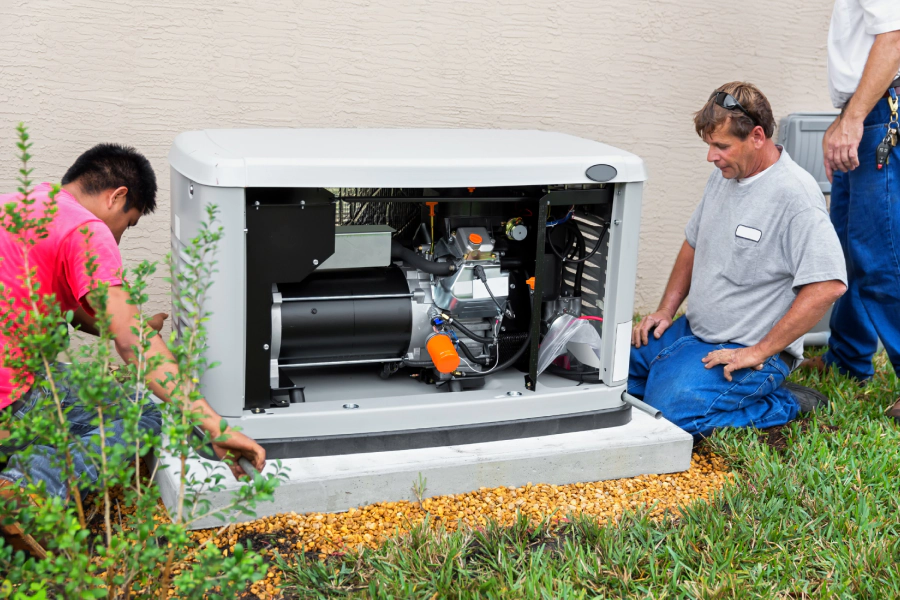
Preparing ahead of time is the best way to minimize the impact of an unexpected outage. Many homeowners exploring reliable backup power solutions, including whole house generators in Hendersonville, TN, understand the value of having a plan in place before an emergency occurs. By taking a proactive approach, you can keep your household running smoothly when the power goes out.
Understand the Risks of Power Outages
Not all outages are the same. Some last only a few minutes, while others can continue for several hours or even days. The consequences often depend on the season, local weather conditions, and the specific needs of your household.
During the summer, losing power can leave homes without air conditioning, making indoor temperatures uncomfortable. In colder months, heating systems may stop working, creating safety concerns when temperatures drop. Power outages can also affect communication, refrigeration, security systems, medical equipment, and remote work setups.
Understanding how an outage could impact your household helps you identify the areas that require the most preparation.
Create an Emergency Preparedness Plan
One of the most effective ways to handle an outage is to establish a clear emergency plan before one occurs. Every member of the household should know what to do when the lights go out.
An emergency plan should include communication strategies, emergency contacts, and designated meeting locations if family members are away from home when the outage begins. It’s also helpful to identify important supplies and ensure everyone knows where they are stored.
Preparation reduces confusion and allows your household to respond more effectively during unexpected situations.
Keep Essential Supplies Readily Available
Having emergency supplies on hand can make a significant difference during a power outage. While every household’s needs are different, certain items are useful in nearly every situation.
Consider keeping the following essentials in an easily accessible location:
- Flashlights with fresh batteries
- Battery-powered lanterns
- Portable phone chargers or power banks
- Bottled water
- Non-perishable food items
- First-aid supplies
- Extra batteries
- Battery-powered or hand-crank radio
- Basic tools for minor household needs
- Necessary medications
Regularly checking and replenishing these supplies helps ensure they are available when needed.
Protect Your Food Supply
A prolonged outage can quickly affect refrigerated and frozen foods. Without electricity, refrigerators and freezers gradually lose their ability to maintain safe temperatures.
One simple way to prepare is by keeping refrigerator and freezer doors closed as much as possible during an outage. This helps preserve cold temperatures for a longer period. Homeowners may also consider keeping a cooler and ice packs available for emergencies.
Planning ahead can reduce food waste and prevent unnecessary expenses after a lengthy power interruption.
Safeguard Electronics and Appliances
Modern homes rely heavily on electronics, from computers and televisions to smart home devices and appliances. Sudden power interruptions and power surges that occur when electricity is restored can potentially damage sensitive equipment.
Using surge protectors can help reduce the risk of damage. It’s also a good idea to unplug valuable electronics during an outage if it is safe to do so. Taking these precautions can protect your investments and help prevent costly repairs or replacements.
Consider Backup Power Solutions
For homeowners who experience frequent outages or want greater peace of mind, backup power solutions can provide an additional layer of protection.
Portable generators are often used to power selected appliances and devices during an outage. However, they require manual setup, fuel management, and careful operation. Whole-house backup systems offer a more comprehensive solution by automatically supplying power to essential home systems when utility power is interrupted.
The right option depends on factors such as household size, power requirements, budget, and local conditions. Evaluating these needs ahead of time can help homeowners choose a solution that aligns with their priorities.
Maintain Heating and Cooling Comfort
Extreme temperatures can make power outages especially challenging. During hot weather, indoor spaces can quickly become uncomfortable without air conditioning. In winter, the loss of heating can create serious concerns, particularly for vulnerable family members.
Simple measures such as closing blinds during hot weather, sealing drafts during colder months, and using appropriate clothing or blankets can help maintain comfort. Homeowners who depend heavily on climate control may benefit from backup power options that support heating and cooling systems during outages.
Planning for seasonal conditions helps ensure greater comfort regardless of when an outage occurs.
Stay Informed During an Outage
Access to reliable information becomes especially important when power is unavailable. Utility companies often provide updates regarding restoration timelines, affected areas, and safety information.
Battery-powered radios, charged mobile devices, and emergency communication plans can help families stay informed throughout the outage. Knowing the expected duration of an outage allows homeowners to make better decisions regarding food storage, travel, and energy usage.
Remaining informed can reduce uncertainty and improve overall preparedness.
Perform Regular Maintenance and Inspections
Preparation should not begin when an outage occurs. Regular home maintenance can help reduce the likelihood of certain electrical issues and improve overall readiness. Checking electrical panels, inspecting backup power equipment, replacing batteries in emergency devices, and testing generators according to manufacturer recommendations can all contribute to a more reliable response during emergencies. Routine maintenance helps ensure that critical systems perform as expected when they are needed most.
Conclusion
Unexpected power outages can disrupt nearly every aspect of daily life, but preparation can significantly reduce their impact. By developing an emergency plan, maintaining essential supplies, protecting electronics, preserving food, and considering reliable backup power options, homeowners can improve their ability to navigate outages with confidence.
While no one can predict exactly when the next outage will occur, taking proactive steps today can help keep your home safer, more comfortable, and better prepared when the unexpected happens. A little planning now can make all the difference when the lights suddenly go out.