
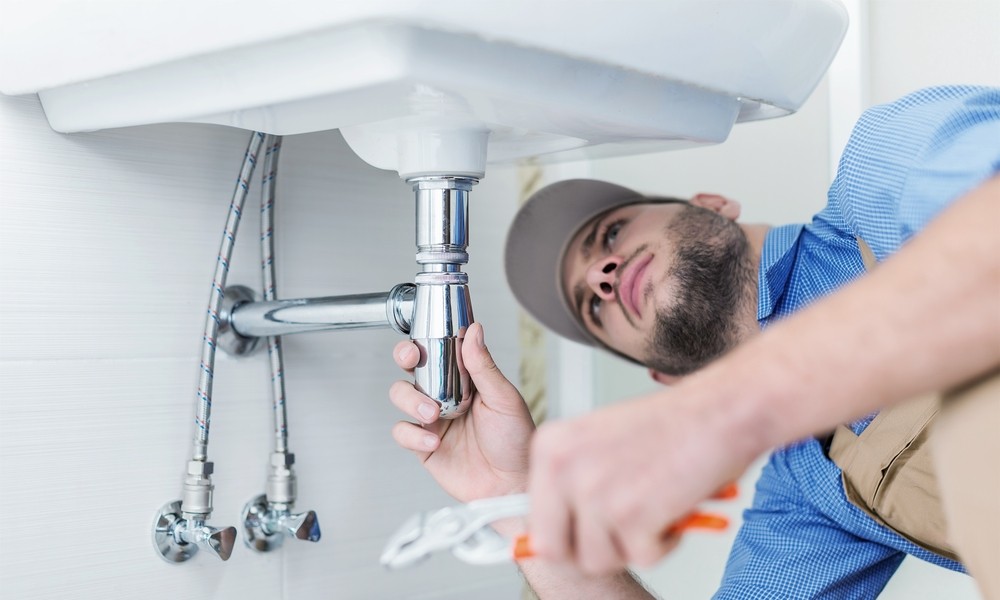
It’s not always necessary to hire a professional to keep your drains clean. Many typical plumbing problems start off as little habits that gradually grow into more significant concerns. You may prolong the life of your plumbing system, enhance water flow, and lower the likelihood of blockages by implementing a few easy adjustments in your everyday routine. Preventive homeowners often avoid expensive repairs and numerous service visits.
Pay Attention To What Is Lost
Controlling what enters drains is one of the best strategies to avoid blocked drains. Grease, food leftovers, and oils often clog kitchen sinks. When washed away, these materials can seem innocuous, but over time, they cool and harden within pipes, causing obstinate clogs.
Instead of pouring grease down the drain, it should be gathered in a container and disposed of properly. To collect food particles, use a sink strainer and empty it often. Keep hair, soap residue, and personal hygiene items out of drains in restrooms. Buildup may be considerably decreased by taking these little measures.
Frequently Use Hot Water To Flush Drains
A simple but effective method for keeping drains clean is hot water. After using the sink, run hot water for a few minutes to help dissolve oil and remove small particles before they get into the pipes.
This practice is particularly helpful for kitchen sinks after dishwashing or cooking. It breaks down soap residue and keeps it from adhering to pipe walls in bathroom sinks and showers. Hot water is important in avoiding significant clogs from occurring in the first place, but it won’t solve them on its own.
Make Use Of Natural Cleaning Products
Chemical drain cleaners could work quickly, but over time, repeated usage can harm pipes. It is safer and better for the environment to use natural cleaning products. Combining vinegar and baking soda may help keep drains fresh and eliminate minor buildup. q
After adding the vinegar and baking soda to the drain, let it rest for a few minutes. After that, use hot water to flush it. This technique keeps your plumbing system clean without using harmful chemicals.
Don’t Overfill Trash Cans
Although they are handy, garbage disposals can’t do everything. Bones, fibrous vegetables, and coffee grounds are examples of hard objects that might strain the unit and cause clogs. Clogs in linked pipes are also more likely when the disposal is overloaded
Run cold water while the disposal is operating and gently feed garbage into it. This facilitates the effective movement of particles throughout the system. Choosing carefully what goes into the disposal minimizes wear and improves the condition of your kitchen plumbing.
Clean Stoppers And Covers For Drains
The first line of defense against debris getting into your pipes is a drain cover or stopper. However, if they are not cleaned often, they may clog themselves. Water flow may be impeded by the rapid accumulation of hair, soap scum, and debris.
Make it a weekly routine to take these parts out and clean them. By doing this easy step, buildup is prevented from penetrating farther into the plumbing system, where removal becomes more difficult.
Plan For Regular Maintenance
Over time, some accumulation is unavoidable, even with positive practices. By planning sporadic maintenance, you can make sure that little problems are fixed before they become bigger ones. Expert examinations can spot early indicators of deterioration, corrosion, or obstruction.
Proactive homeowners often depend on professional services, like plumbing companies in Houston, to carry out regular inspections and maintain the functionality of their systems. Frequent maintenance provides an additional degree of security and comfort.
Take Care When Flushing Things
Another frequent cause of plumbing issues is toilets. Blockages may be easily caused by flushing objects such as paper towels, wipes, and hygiene products. Products that are branded as flushable may not decompose as quickly as anticipated.
Limit your flushing to only garbage and toilet paper. You may avoid putting undue stress on your plumbing system by teaching family members how to properly dispose of waste.
Observe Early Warning Indicators
Gurgling noises, strange smells, and slowly draining water are early signs of possible problems. Ignoring these indicators lets issues become worse over time. Complete clogs and expensive repairs may be avoided by promptly addressing them.
Take urgent action if you see any changes in the way your drains operate. Cleaning the drain or flushing it with hot water are easy ways to fix the problem before it becomes worse.
In Conclusion
Complex methods are not needed to maintain clean drains. Simple everyday routines like careful use, frequent cleaning, and appropriate trash disposal may have a big impact. These procedures increase the overall effectiveness of your plumbing system and lessen the need for regular drain cleaning.
You may prevent significant interruptions and maintain the efficient operation of your house by adhering to these routines consistently and getting expert assistance when necessary. Your plumbing system will be more dependable and long-lasting if you take a few steps now to avoid larger issues later.