
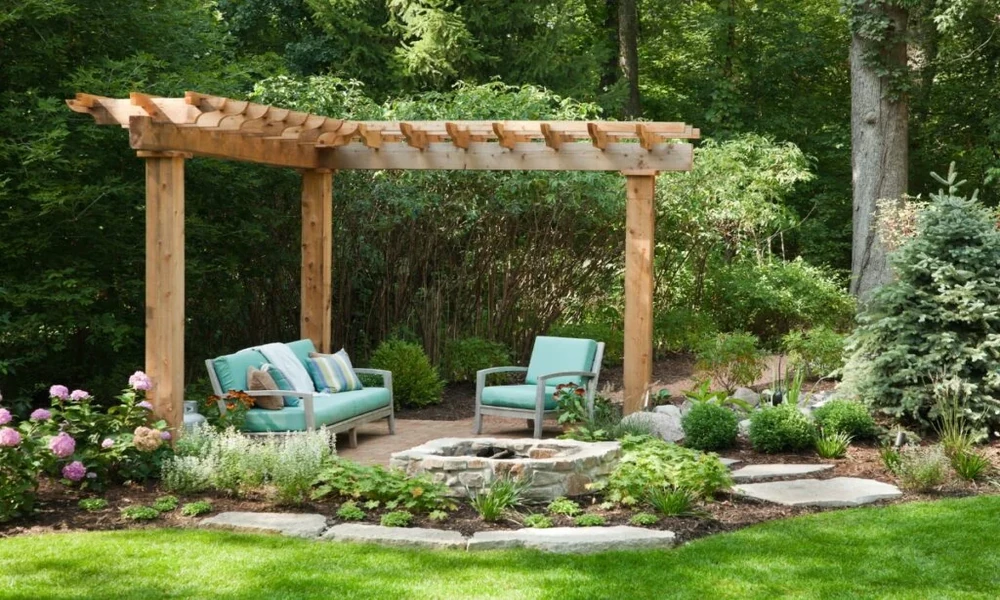
Atlanta is a city that was made for outdoor living. Long warm seasons, beautiful evenings, and the kind of lush backyard settings that make entertaining genuinely enjoyable for much of the year. The problem is that the same climate that makes Atlanta so appealing for outdoor gatherings also makes it one of the busiest cities in the country for pest activity. Mosquitoes, wasps, ants, cockroaches, and flies all thrive in Atlanta’s heat and humidity, and nothing shuts down a backyard cookout or a patio dinner party faster than an uninvited swarm.
The good news is that with some preparation and the right approach, you can keep your Atlanta patio comfortable and genuinely usable through the long entertaining season. Here’s how to set your outdoor space up for success.
Understand What You’re Up Against
Before you can effectively pest-proof your outdoor entertaining space, it helps to know which pests are most likely to cause problems and when.
Mosquitoes are the dominant pest concern for Atlanta outdoor entertaining from May through October. They’re most active at dawn and dusk but the Asian Tiger Mosquito, which is extremely common across the metro area, bites aggressively throughout the day. Any outdoor gathering during this window is a potential mosquito problem unless you’ve taken steps to manage them.
Yellow jackets and wasps are a significant issue from late spring through early fall. They’re attracted to food and sweet drinks, which makes outdoor entertaining particularly inviting to them. By August and September, yellow jacket colonies can be very large and aggressive, especially when food sources are present.
Ants, particularly fire ants and odorous house ants, are a constant presence in Atlanta yards and patios. Fire ant mounds in lawn areas near patios are a safety issue for barefoot guests. Odorous house ants trail in large numbers toward food and sugary spills.
Flies, including house flies and the smaller fruit flies that appear around drinks and fruit, are a warm-weather nuisance at any outdoor food event.
Cockroaches, specifically the large American cockroach variety that Atlantans often call waterbugs, are active outdoors in warm weather and tend to appear near patios in the evening, particularly in areas with moisture or organic debris.
Knowing your pest calendar helps you anticipate problems and prepare rather than react.
Set Up Your Space With Pest Control in Mind
The physical setup of your outdoor entertaining area makes a significant difference in how hospitable it is to pests. A few thoughtful choices when arranging your space reduce pest pressure before a single guest arrives.
Keep food covered until serving. Open food is the single biggest attractor of flies, wasps, and ants at any outdoor gathering. Use covers, domes, or tented serving dishes and keep them closed between servings. Even a brief window of uncovered food is enough to attract a yellow jacket that will then communicate the food source to the rest of the colony.
Manage drinks carefully. Sweet drinks, including sodas, juices, and cocktails, are highly attractive to yellow jackets. Canned drinks are a particular hazard because wasps can crawl inside and go unnoticed. Use cups with lids or pour canned drinks into covered cups. Keep drink stations organised and wipe up spills immediately.
Position rubbish bins away from the seating area. Rubbish bins attract flies, wasps, and cockroaches. Place them at the edge of the entertaining area rather than in the middle of it, use bins with tight-fitting lids, and empty them before they get full during longer events.
Use lighting strategically. Standard white and warm-spectrum lighting attracts insects. If you’re entertaining in the evening, consider switching to yellow or amber LED bulbs in your patio lights, or positioning lights away from the seating area to draw insects away from where your guests are. String lights positioned at the perimeter of the yard rather than directly overhead draw flying insects outward rather than inward.
Address Mosquitoes Before the Event
For Atlanta entertaining, mosquito management deserves its own dedicated planning, particularly for events during the core mosquito season from May through October.
The most important thing you can do in the days before an event is eliminate standing water throughout your property. Walk every inch of your yard and empty anything that holds water: flowerpot saucers, bird baths, tarps, low spots in the lawn, and clogged gutters. Mosquito populations on your property are directly tied to the number of available breeding sites, and removing them even a week before an event reduces the adult population at the time of your gathering.
For the event itself, a professional barrier spray treatment applied 24 to 48 hours beforehand is the most effective single action you can take. A licensed pest control technician applies a residual insecticide to the foliage, shrubs, and shaded areas around your entertaining space where adult mosquitoes rest. The treatment stays active through the event and makes a very noticeable difference to mosquito pressure in treated areas.
Outdoor fans positioned around the seating area supplement the barrier treatment well. Mosquitoes are weak fliers and moving air significantly reduces the number that successfully land on guests. A couple of well-positioned pedestal fans covering your main seating area is low-tech but genuinely effective.
Deal With Stinging Insects Before They Deal With You
Yellow jackets and wasps are manageable if you address them before an event rather than during one.
In the days before a gathering, inspect your property for active nests. Check eaves, deck railings, gaps in siding, and any structures near the entertaining area. Look for underground nest activity in lawn areas. A nest that’s found and treated before the event is not a problem at the event.
Small, accessible nests can be treated with an aerosol wasp spray applied at dusk when the insects are less active. Larger nests, nests inside wall voids, and underground nests are best left to a professional. Attempting to treat a large or awkwardly placed nest yourself in the days before a gathering is a risk not worth taking.
During the event, the most important thing you can do to avoid stinging insects is manage food and drink carefully as described above. Yellow jackets that can’t find exposed food or open drinks will generally move on.
Keep a calm, slow-movement policy around any wasps that do appear. Yellow jackets that are foraging rather than defending a nearby nest are unlikely to sting unless swatted at or crushed. Slow, deliberate movements and avoiding swatting are the most effective behavioural response to a wandering yellow jacket during an outdoor gathering.
Keep Ants Out of the Party
Fire ant mounds in lawn areas near the patio should be treated well before any outdoor event where guests will be moving through the yard or sitting on the grass. Broadcast granular fire ant treatments applied to the whole yard a week before an event are effective and reduce the risk of guests encountering mounds. Individual mound treatments using contact insecticide or boiling water handle specific mounds that need immediate attention.
For the patio surface itself, odorous house ants trailing toward food can be discouraged by keeping the surface clean and free of food debris. Treating the perimeter of the patio and the base of the house with a residual liquid insecticide before an event creates a barrier that trailing ants are reluctant to cross.
If you’re setting up tables on a lawn or grass area, moving table and chair legs occasionally during the event disrupts ant trail formation. Ants follow pheromone trails, and disrupting the trail delays the column from establishing itself.
Prepare Your Patio Structure
Beyond managing active pests, the physical condition of your patio structure affects how hospitable it is to pest activity in general.
Check the eaves, rafters, and any overhead structures on your covered patio for existing wasp or mud dauber nests at the start of the season and remove any you find before they grow. A nest that’s small in April is a significant problem by July.
Gaps and cracks in patio walls, planters, and structural elements provide harborage for cockroaches and spiders. Seal these during your pre-season maintenance to reduce the hiding spots available near where your guests will be sitting.
Keep the surface of the patio clean between uses. Organic debris, food residue, and moisture on the patio surface attract cockroaches and ants. A regular sweep and occasional wash-down keeps the surface less attractive to foraging pests.
Consider a Seasonal Pest Control Program
For Atlanta homeowners who entertain regularly outdoors, a seasonal pest control program with a licensed company is one of the best investments you can make in your outdoor living space.
A program that includes monthly barrier treatments through the mosquito season, regular inspection and treatment of stinging insect activity, and targeted treatments for ants and other patio pests keeps your outdoor space in a consistently lower-pest state throughout the season. You’re not scrambling to arrange a treatment the week before every gathering. The baseline level of pest activity on your property is simply lower all season long.
Many pest control companies in Atlanta also offer add-on services specifically designed for outdoor entertaining, including pre-event treatments and specialised mosquito programs. If you host regularly, it’s worth asking your pest control company what options they have for entertaining-focused service.
The Night of: Quick Wins for Guests
Even with thorough preparation, some pest activity is inevitable during Atlanta’s peak season. A few things you can do on the night of an event to keep things comfortable for guests.
Set up a personal repellent station near the entry to the outdoor space with a pump bottle of DEET or picaridin repellent and a note encouraging guests to use it. Most people appreciate the option and it significantly reduces mosquito complaints.
Light a couple of citronella candles or torches at the edges of the seating area. They won’t eliminate mosquitoes but they add ambience and provide marginal deterrence in the immediate area around them.
Have a wasp trap or two positioned at the perimeter of the yard, away from the entertaining area, in the days before and during the event. Commercial yellow jacket traps baited with the included attractant draw foraging wasps away from the food area and toward the trap instead.
The Bottom Line
A pest-free outdoor entertaining space in Atlanta doesn’t happen by accident. It takes a combination of good setup habits, proactive pest management before events, and a baseline level of ongoing control throughout the season. The effort is absolutely worth it.
Atlanta’s outdoor entertaining season is long and genuinely beautiful when you can actually enjoy it without swatting mosquitoes or chasing wasps away from the food table. Plan ahead, stay consistent with your pest management, and your patio becomes the asset it should be rather than a seasonal source of frustration.