
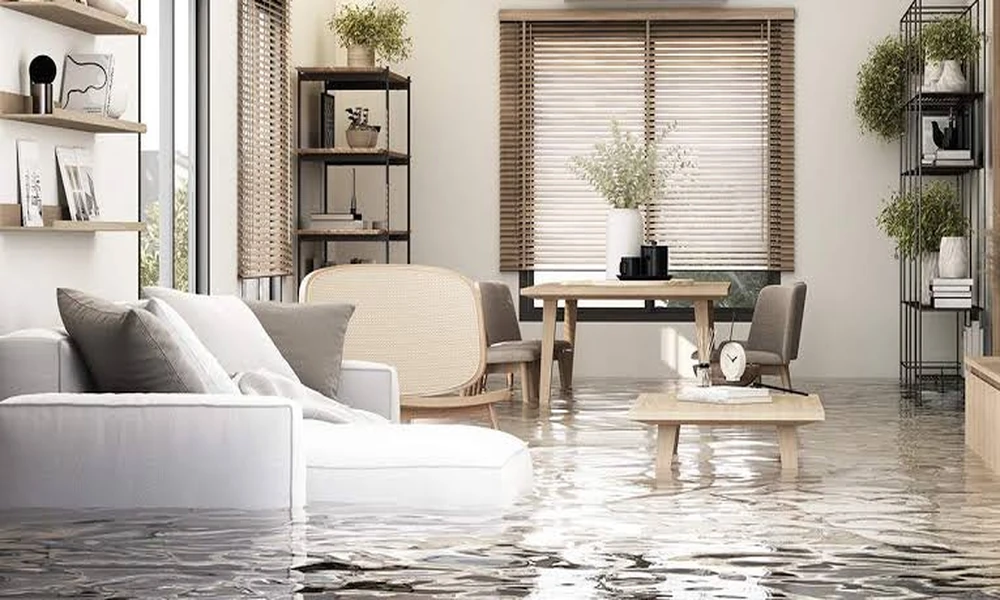
Useful photographs of a water-affected room show where an observation belongs and when it was recorded, without claiming to diagnose concealed conditions. Ask the intended recipient what images would help, and only photograph from a safe, authorized position. A modest set of contextual images can support an assessment conversation better than dozens of dramatic close-ups that no one can reliably locate.
Decide who the images are for
A restoration professional, property manager and equipment supplier may need different information. Before photographing, clarify the purpose of the request. An assessor may want context for a planned visit, while a rental provider may need an ordinary view of access arrangements. The same image should not be assumed sufficient for both. Ask what can usefully be supplied without entering a hazardous space or disturbing materials.
Do not delay appropriate help to assemble a perfect photo collection. Active water, electrical uncertainty, suspected contamination or structural concerns require the relevant professional response. Images can contribute information when they are safe to obtain; they do not make an unsafe area suitable to enter. If the requested view cannot be obtained appropriately, say so and let the recipient determine the next step.
Get the necessary permission before sharing a room’s contents. A property photograph can reveal personal documents, possessions and identifying details that are irrelevant to the assessment. Frame the needed subject while avoiding unnecessary private information where possible. Share the images with the relevant people through an appropriate channel, rather than posting them publicly in the hope that strangers will diagnose the problem.
Keep location and sequence visible
Begin with a room reference that allows the recipient to understand the location of any closer view. A close-up of a discoloured corner is difficult to use when several rooms have the same trim and paint. Identify the room in the filename or accompanying note and describe the area plainly. The record should remain understandable to someone who has never stood in the property.
Keep the original date information and a sensible sequence. If a later photograph shows a changed visible condition, label it as later rather than placing it beside an earlier image without explanation. Avoid renaming files in a way that suggests an observation occurred on a different day. An accurate sequence can help the responsible professional ask better questions, while an ambiguous one can create needless uncertainty.
Distinguish visible facts from interpretations in captions. “Mark beside the lower hinge” identifies a location. “Water behind the entire wall” asserts a concealed condition that the photograph may not establish. A careful caption leaves room for assessment. It also avoids a common problem in shared message chains, where a homeowner’s early guess becomes the label everyone else repeats as fact.
Do not stage evidence by moving suspect materials or opening an assembly to reveal more. The appropriate investigation method should be determined by qualified people. If an item has already been moved as part of authorized work, record that context accurately. The image should document what was visible at that point, rather than imply the room remained in its original condition throughout the sequence.
Treat specialized images as a separate evidence layer
A thermal image needs additional context because its colours can be misread. FLIR describes thermal imaging as detecting temperature patterns that require appropriate confirmation when moisture is suspected. Keep any specialized image with the explanation from the person who produced it. A screenshot detached from its qualifications can appear far more conclusive than the original assessment.
Retain an ordinary reference photograph with the thermal view where the responsible person recommends it. Include who took the image and the purpose of the examination. If a professional report exists, pass on the relevant report rather than extracting only its most striking picture. The written interpretation may explain limitations or other findings that are essential to understanding what the image contributes.
For an appropriate equipment enquiry, the inspection-camera offering from Drying Equipment can be reviewed with the intended operator. Renting a camera is a different purchase from commissioning a qualified assessment. Confirm the actual tool and support offered, and decide whether those match the question being asked. A homeowner seeking repair authorization should not assume that a rental automatically supplies the necessary judgment.
Keep the equipment transaction out of the image caption. The fact that a particular camera was available or a machine was hired does not establish the condition of the building. Record equipment details where they are relevant to the professional documentation, while leaving the ordinary photo account focused on observable location and sequence. The reader should be able to distinguish context from a conclusion.
Hand over the originals with a short factual account
Provide the images in the form requested by the recipient, preserving originals where appropriate. A brief accompanying note can identify the property area, the known event and any relevant work already performed. Do not send unrelated financial or personal files simply because they are stored in the same folder. A focused handoff is easier to review and exposes less unnecessary information.
Ask what the recipient can conclude from the material and whether a visit or other assessment is needed. They may be able to prepare for the appointment without making a remote diagnosis. That is still a useful result. Photographs can reduce confusion about the setting even when the important technical questions remain open until someone examines the property appropriately.
The strongest photo record is careful about its limits. It preserves what was visible, where it appeared and when it was recorded, while leaving the interpretation to the people responsible for it. Give the assessor that context and allow the next step to follow their actual findings, rather than asking a phone image to settle a question it cannot answer alone.