
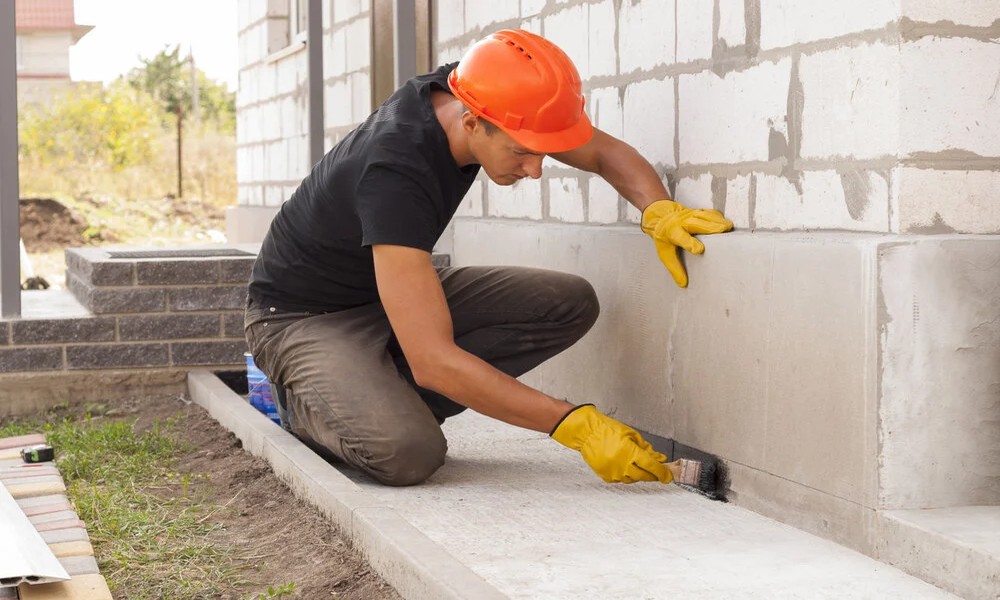
Structural Integrity Begins Below Ground
A home’s durability depends heavily on what happens beneath the surface. Soil shifts, moisture imbalance, and erosion gradually affect how weight is distributed across the structure. Over time, these changes influence walls, flooring, and framing alignment. When early movement is ignored, minor settlement can evolve into complex structural stress patterns. In such situations, choosing the right Foundation Repair Contractor becomes central to identifying underlying causes rather than surface symptoms. Accurate evaluation helps determine whether issues originate from soil instability, drainage faults, or load imbalance. Proper assessment at this stage prevents unnecessary repairs and ensures corrective actions address the root condition rather than temporary visible effects.
How Misreading Early Warning Signs Accelerates Damage
Structural concerns often begin with subtle indicators such as small wall cracks, uneven flooring, or doors that no longer align properly. These signs are frequently mistaken for cosmetic issues, leading to delays in addressing deeper problems. As shifting continues beneath the foundation, pressure distribution becomes inconsistent, causing cracks to widen and structural components to strain further. Moisture intrusion can also worsen the situation by weakening supporting soil layers. When these early warnings are overlooked, repair complexity increases significantly, requiring more extensive intervention later. Timely recognition of these patterns helps reduce long-term repair costs and prevents escalation into widespread instability.
Precision Methods That Influence Long-Term Stability
Modern repair approaches rely on accurate diagnostics and carefully executed stabilization techniques. Soil analysis, load evaluation, and structural mapping help determine the most effective correction strategy. Installation of support systems, reinforcement of weak zones, and controlled lifting methods are often used to restore balance to the structure. Engaging a Foundation Repair Contractor ensures that these methods are applied based on detailed site conditions rather than generalized assumptions. Precision in execution plays a critical role in preventing recurrence of settlement issues, as even minor misalignment during correction can lead to future stress points. Long-term stability depends on both the accuracy of assessment and the consistency of applied solutions.
Key Considerations When Selecting a Repair Specialist
Selecting the right professional involves evaluating several important factors that directly impact repair outcomes. Experience in handling varied soil conditions, familiarity with regional foundation challenges, and access to advanced diagnostic tools all contribute to effective service delivery. Strong communication throughout the assessment and repair process also ensures clarity in decision-making. The ability to provide structured repair planning rather than temporary fixes reflects a deeper understanding of structural behavior under load. Homeowners benefit when the chosen specialist prioritizes long-term stability over quick solutions, ensuring the foundation remains secure under changing environmental conditions.
Long-Term Structural Confidence Through Proper Intervention
Foundation stability is not achieved through surface-level corrections but through careful identification of underlying causes and precise corrective work. Each stage, from assessment to final reinforcement, contributes to the overall resilience of the structure. When structural concerns are addressed with technical accuracy and consistent planning, homes maintain their strength and safety over time. This approach ensures that future risks are minimized and structural performance remains dependable under varying conditions.