
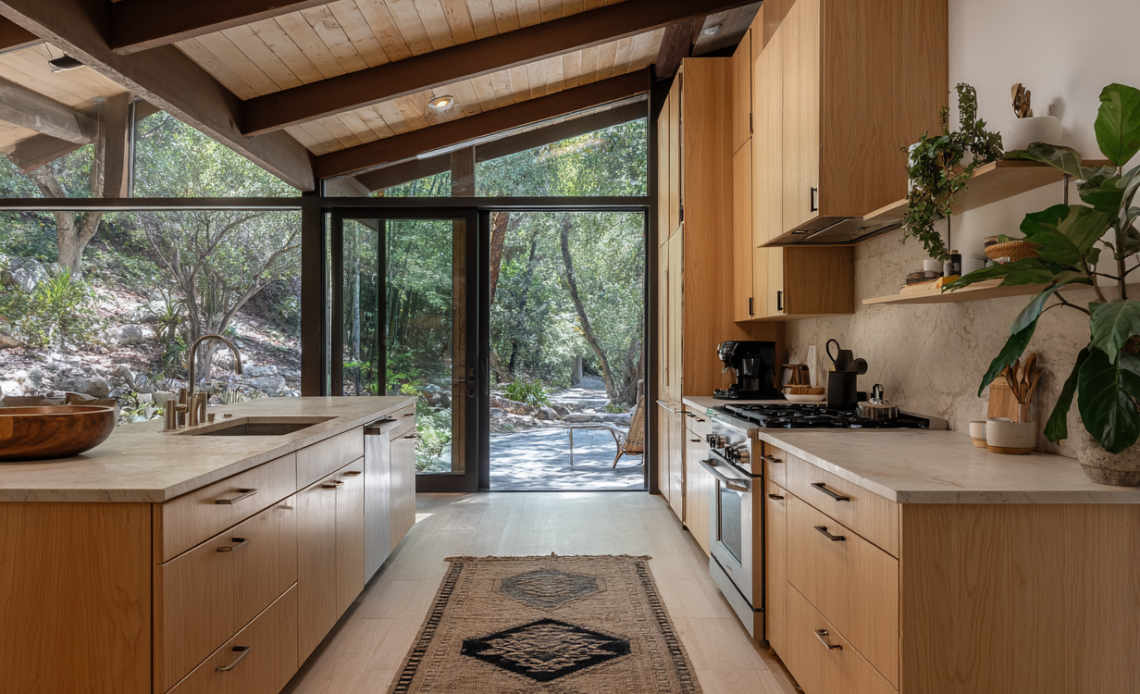
Mid century modern kitchen cabinets have a quiet confidence. They do not shout for attention. They do not rely on heavy detail or dramatic shapes.
Instead, they create beauty through clean lines, natural materials, and smart design. This style first became popular between the 1940s and 1960s, but today it feels just as fresh as it did decades ago.
Homeowners love the way mid century modern kitchen cabinets bring warmth into a space without making it feel old-fashioned. They offer vintage charm, yet they fit perfectly into modern homes with open layouts, updated appliances, and busy lifestyles.
If you want a kitchen that feels welcoming, simple, and timeless, this style deserves a closer look.
What Makes Mid Century Modern Kitchen Cabinets Unique?
Mid century modern kitchen cabinets are built around one main idea: function comes first. During the mid 20th century, designers focused on making homes more practical for everyday living. Kitchens became workspaces designed for efficiency, comfort, and flow.
These cabinets usually feature flat or slab doors. There is little to no decorative molding. The surfaces are smooth, and the lines are straight and clean. Instead of carved details, the beauty comes from the wood grain itself.
Another defining trait is balance. The cabinets do not overpower the room. They blend into the space while still making a strong visual statement. The overall look is neat, organized, and calm.
The Power of Clean Lines
One of the strongest features of mid century modern kitchen cabinets is their clean, horizontal lines. You will often see cabinet doors arranged to highlight long stretches of wood grain. This creates a sense of width and openness.
In smaller kitchens, this visual trick can make the space feel larger. Horizontal lines draw the eye across the room, giving the illusion of more space. Even in larger kitchens, these lines create a smooth, flowing design that feels organized.
The lack of heavy trim or raised panels keeps everything simple. This simplicity is not boring. It is intentional. It allows the natural beauty of the materials to shine.
Warm Woods That Bring Vintage Charm
Wood plays a central role in mid century modern kitchen cabinets. The rich tones and natural patterns give the kitchen its warmth and character.
Walnut: The Iconic Choice
Walnut is often the first wood people think of when imagining mid century design. Its deep brown color feels cozy and elegant. The grain is smooth and consistent, making it perfect for flat cabinet doors.
Walnut cabinets create a strong yet welcoming look. When paired with light countertops, they feel balanced and modern.
Teak: Golden and Bright
Teak was widely used in mid century furniture and cabinetry. It has a golden tone that feels warm without being dark. Teak works well in kitchens that need brightness but still want natural warmth.
Oak and Birch: Light and Durable
Oak offers a stronger grain pattern and excellent durability. Birch is lighter and smoother. Both are great options for homeowners who want a softer look while keeping the mid century feel.
The key is to highlight the wood’s natural grain instead of covering it with thick paint. Clear or lightly stained finishes are common in this style.
Simple Hardware That Completes the Look
Hardware in mid century modern kitchen cabinets is subtle but important. Instead of ornate handles, you will usually see slim bar pulls, recessed handles, or even hidden finger pulls.
Brushed brass, matte black, and stainless steel are popular finishes. These metals add a modern touch without distracting from the wood.
Some kitchens skip visible hardware altogether. Handle-free cabinets create a seamless appearance that feels clean and contemporary.
The goal is always balance. Hardware should support the design, not compete with it.
Blending Vintage With Modern Appliances
One reason mid century modern kitchen cabinets work so well today is their flexibility. They pair easily with modern appliances and technology.
Stainless steel refrigerators and ovens look great against warm wood cabinets. For a more authentic retro vibe, some homeowners choose appliances with rounded edges and soft colors inspired by the 1950s.
Modern features such as soft-close hinges, built-in organizers, and under-cabinet lighting can be added without changing the overall style. These upgrades improve daily life while keeping the vintage charm intact.
Color Palettes That Keep Things Balanced
While wood is the star of the show, color still plays a role in mid century kitchens.
Neutral walls are common. Soft white, warm cream, and light gray allow the cabinets to stand out. These shades keep the space bright and prevent dark wood from feeling heavy.
Accent colors inspired by the mid century era can also be used in small doses. Muted green, soft blue, mustard yellow, and burnt orange work beautifully. These colors often appear in backsplashes, bar stools, or decor rather than on the cabinets themselves.
This approach keeps the kitchen feeling modern rather than stuck in the past.
Smart Storage for Modern Living
Mid century modern kitchen cabinets were designed with efficiency in mind. During the post-war period, families wanted homes that were easy to maintain and practical.
Cabinet layouts often focus on work zones. Cooking, prepping, and cleaning areas are arranged for smooth movement. Upper cabinets are not overly bulky, which keeps the kitchen feeling open.
Today, you can enhance this design with pull-out shelves, hidden spice racks, and drawer dividers. These features make everyday tasks easier while preserving the clean look.
Less clutter is another important part of the style. Open countertops and organized storage help maintain the calm, tidy feel that defines mid century design.
Countertops That Complement the Cabinets
Choosing the right countertop is important when working with mid century modern kitchen cabinets.
White or light quartz is a popular choice. It brightens the space and contrasts nicely with darker wood tones.
Butcher block countertops enhance the natural look and feel of the kitchen. They create a warm, cohesive design.
Marble or light stone adds elegance while keeping the space fresh. Even laminate can work well, especially if you want to stay true to mid century history, as laminate was common during that era.
The key is to avoid busy patterns that compete with the wood grain.
Flooring That Grounds the Space
Flooring should support the cabinets rather than distract from them.
Hardwood floors in warm tones create harmony with wood cabinetry. If you prefer a different look, large neutral tiles offer a clean and practical solution.
Terrazzo flooring adds vintage personality while still feeling stylish today. Cork flooring is another option that fits well with the mid century focus on comfort and natural materials.
Whatever you choose, keep the look simple and cohesive.
Lighting That Enhances the Design
Lighting plays a big role in highlighting mid century modern kitchen cabinets.
Pendant lights with simple geometric shapes work especially well. Think round glass globes, clean metal frames, or cone-shaped fixtures.
Under-cabinet lighting is practical and stylish. It shows off the wood grain while improving visibility for cooking.
Warm light bulbs are often better than cool white bulbs in these kitchens. Warm lighting enhances the natural tones of the wood and keeps the space feeling inviting.
Designing a Mid Century Kitchen From Scratch
If you are building or remodeling from the ground up, start with the cabinets as your foundation.
Choose high-quality wood in a tone that suits your space. Decide whether you want darker walnut or lighter oak or birch.
Keep the layout simple. Avoid overcrowding the kitchen with too many cabinets or decorative features. Leave breathing room between elements.
Pair the cabinets with neutral walls and simple countertops. Add a few mid century-inspired accessories, such as vintage-style stools or a classic clock.
Remember, this style values openness and functionality. Every element should have a purpose.
Updating an Existing Kitchen
You do not need a full renovation to enjoy mid century modern kitchen cabinets.
If your current cabinets are solid wood, consider refinishing them in a warm stain. Replace decorative doors with flat panels. Swap old hardware for sleek metal pulls.
You can also introduce the style through smaller changes. Add mid century lighting fixtures. Replace busy backsplashes with simple, clean tiles. Use open shelving sparingly to display simple dishware.
These updates can refresh your kitchen without major construction.
Common Mistakes to Avoid
Mid century modern kitchen cabinets look simple, but balance is important.
Avoid mixing too many wood tones. Stick to one main cabinet finish and build around it.
Do not add heavy decorative trim or ornate hardware. This clashes with the clean design.
Avoid dark walls if your cabinets are already dark. Too much darkness can make the kitchen feel smaller.
Keep decor minimal. Too many accessories can take away from the calm atmosphere.
Why This Style Feels Timeless
Mid century modern kitchen cabinets continue to attract homeowners because they focus on real living. They are not about trends or flash. They are about comfort, warmth, and smart design.
The natural materials feel grounded and authentic. The clean lines keep the space organized and peaceful. The layout supports daily life without feeling cluttered.
This style adapts easily to modern needs. It works in small apartments and large open homes. It blends with contemporary appliances and classic decor.
Most of all, it feels human. It values simplicity and comfort over excess.
Final Thoughts
Mid century modern kitchen cabinets blend vintage charm with modern living in a way few other styles can. They bring warmth through natural wood, balance through clean lines, and practicality through smart design.
Whether you want a full kitchen transformation or just a subtle refresh, this style offers lasting beauty without feeling outdated. It honors the past while embracing the present.
In a world where design trends change quickly, mid century modern kitchen cabinets remind us that good design does not need to be complicated. It only needs to be thoughtful, functional, and timeless.