
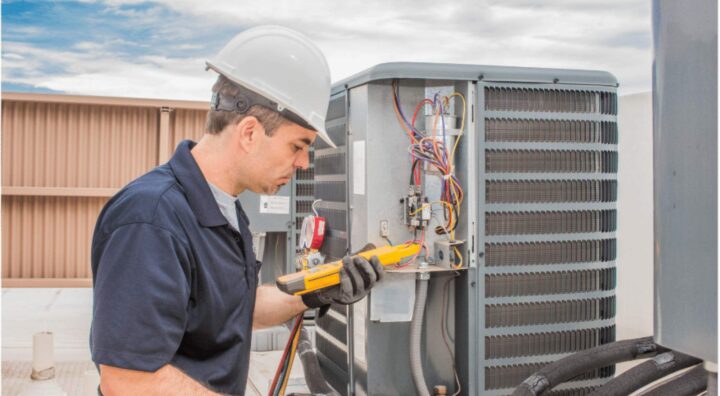
Have you ever been told your AC has a major mechanical problem, only to find out later that the diagnosis was not quite right? One hidden issue that often causes confusion during HVAC repairs is the presence of non-condensables inside the system.
So what exactly are non-condensables, and why do they cause so many diagnostic problems?
What Are Non Condensables And Why They Matter
Non-condensables are gases like air or nitrogen that should never be inside a closed HVAC refrigerant system. Unlike refrigerants, these gases do not change into a liquid during normal operation. Instead, they get trapped in the condenser and take up space that should be used for heat transfer.
This small contamination can create big problems, especially during system testing and troubleshooting.
How Non Condensables Mimic Major HVAC Failures
One of the biggest challenges with non-condensables is how closely their symptoms resemble serious equipment failures. When trapped gases raise system pressure, technicians may see unusually high head pressure and high discharge temperatures.
These readings often point to issues like a failing compressor, dirty condenser coils, or airflow restrictions. In reality, the compressor and coils may be perfectly fine. The pressure problem comes from air that should not be there in the first place.
In some cases, compressors overheat and shut down to protect themselves. This can look like an internal compressor failure even though the root cause is contamination.
Why Diagnostics Become Unreliable
Non-condensables also interfere with temperature and pressure relationships that technicians rely on. Subcooling readings may appear high, which is commonly associated with an overcharged system. At the same time, suction pressure can drop, suggesting low refrigerant or a restriction.
When multiple symptoms contradict each other, it becomes harder to pinpoint the real problem without advanced testing and experience.
The Impact On Performance And Energy Costs
Even small amounts of trapped air reduce cooling efficiency. Systems work harder, consume more electricity, and deliver less comfort. Over time, high operating pressures can damage oil, valves, and internal components, turning a preventable issue into an expensive HVAC repair.
In warmer Southern California neighborhoods, where AC systems already run long hours, this added strain shows up quickly on energy bills.
Why Professional Service Makes A Difference
Proper evacuation, charging procedures, and pressure testing are critical to keeping non-condensables out of HVAC systems. This is where experienced local professionals matter.
Service Champions understands how climate, usage patterns, and installation practices affect HVAC performance in local homes. Our trained technicians use precise diagnostics to identify contamination issues before they lead to unnecessary repairs.