
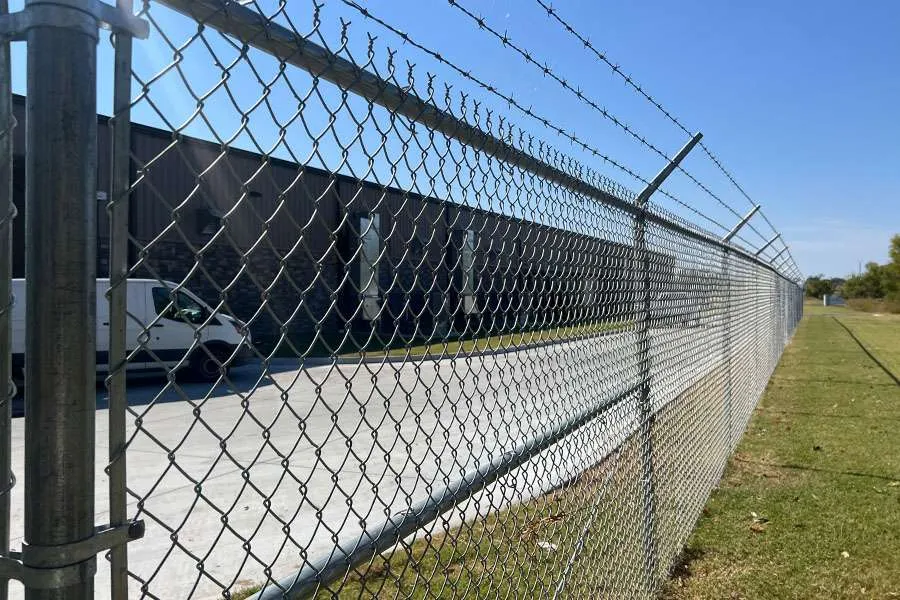
Fencing plays a crucial role in defining property boundaries, improving security, and enhancing the overall appearance of a space. While chain link fencing has long been associated with functionality and durability, modern innovations have transformed it into a versatile option suitable for a wide range of properties. Today, commercial and residential chain link fences offer far more than simple perimeter protection. Property owners can choose from various materials, finishes, colors, and customization features that allow these fences to complement architectural styles while maintaining strength and reliability.
Material and Coating Choices for Enhanced Durability
One of the most significant design considerations for commercial and residential chain link fences is the choice of materials and protective coatings. Traditional galvanized steel remains a popular option due to its strength and resistance to rust. The galvanization process involves coating steel with zinc, which protects the metal from moisture and environmental elements that cause corrosion. This makes galvanized chain link fencing suitable for both urban and rural environments where long-term durability is essential.
Vinyl-coated chain link fencing has gained popularity for its improved aesthetics and additional protection. The vinyl coating adds a layer of weather resistance while offering a smoother, more attractive finish. Available in various colors, vinyl-coated options allow property owners to match fencing with landscaping themes or building exteriors. Black and green coatings are commonly chosen because they blend naturally with surroundings and create a more refined appearance compared to bare metal.
Aluminum chain link fencing is another alternative that provides lightweight strength and natural corrosion resistance. This material is particularly suitable for coastal regions where salt exposure can accelerate rusting. Although aluminum fencing may come at a higher cost, its longevity and low maintenance requirements make it a worthwhile investment for many property owners seeking modern commercial and residential chain link fences.
Height, Gauge, and Structural Variations
Modern fencing design also focuses on structural customization to meet different security and aesthetic needs. Commercial and residential chain link fences are available in various heights, allowing property owners to choose options that match their intended level of protection. Taller fences are commonly used in commercial facilities, warehouses, sports complexes, and industrial properties where enhanced security is necessary. Shorter fences are often selected for residential homes, gardens, and decorative boundaries that prioritize visibility while still defining property lines.
Wire gauge thickness is another factor that influences fence strength and appearance. Thicker gauges provide greater durability and resistance to impact, making them ideal for high-traffic or high-security environments. Lighter gauges offer a more subtle look suitable for residential applications where heavy-duty reinforcement may not be required. Selecting the appropriate gauge ensures that commercial and residential chain link fences maintain structural integrity while aligning with design preferences.
Mesh size variations further enhance customization options. Smaller mesh openings offer increased security by making it more difficult to climb or pass objects through the fence. Larger mesh patterns provide a more open and less industrial appearance, allowing better visibility and airflow. This flexibility allows property owners to balance protection with aesthetic considerations.
Color, Privacy, and Decorative Enhancements
A major evolution in commercial and residential chain link fences is the introduction of design features that improve visual appeal. Color options now extend beyond standard metallic finishes, allowing fences to complement property aesthetics. Dark-colored coatings such as black, brown, and green create a cleaner and more contemporary appearance. These tones blend with landscaping elements, reducing the stark look traditionally associated with chain link fencing.
Privacy enhancements provide another layer of customization. Slats made from vinyl, aluminum, or polyethylene can be inserted into the fence mesh to reduce visibility from outside. These slats come in various colors and patterns, allowing property owners to create semi-private or fully private barriers without sacrificing ventilation. Privacy features are particularly valuable for residential properties, recreational facilities, and commercial spaces that require discretion while maintaining security.
Decorative additions also contribute to modern fence design. Post caps, colored ties, and customized gates allow property owners to refine the appearance of their fencing systems. Some designs incorporate curved tops, arched entryways, or ornamental accents that soften the industrial look of traditional fencing. These elements demonstrate that commercial and residential chain link fences can serve both functional and decorative purposes.
Integration with Landscaping and Property Layout
Modern fence design considers how fencing integrates with the surrounding environment. Commercial and residential chain link fences can be combined with landscaping elements such as hedges, shrubs, or climbing plants to create a more natural and visually pleasing boundary. Vegetation softens the fence’s appearance while maintaining its structural benefits.
Property layout also influences fence design. Sloped terrain, irregular boundaries, and varying ground conditions require flexible installation techniques. Adjustable panels and specialized posts allow fences to follow natural contours without compromising stability. This adaptability ensures a seamless appearance across diverse property types.
Lighting integration further enhances both security and aesthetics. Fence-mounted lighting systems improve nighttime visibility and highlight property features. Proper illumination not only deters unauthorized access but also adds a polished look to commercial and residential spaces. Combined with thoughtful landscaping and architectural coordination, chain link fencing becomes a cohesive part of the property’s design rather than a purely functional structure.
Modern innovations continue to redefine the possibilities for commercial and residential chain link fences. With a wide selection of materials, structural variations, colors, and decorative features, property owners can create fencing solutions tailored to their specific needs. These adaptable designs provide reliable security while complementing property aesthetics, demonstrating that chain link fencing remains a practical and versatile choice in contemporary property development.