
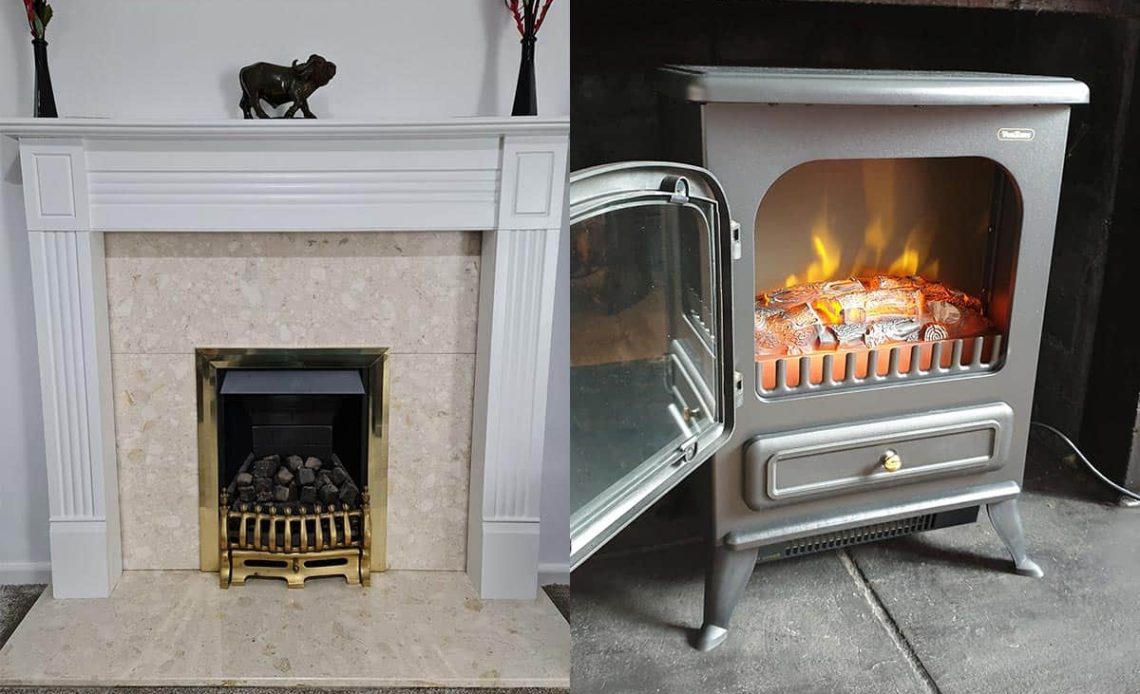
Fireplaces have long been a centrepiece in British homes, providing both warmth and a cosy atmosphere. With the growing focus on energy efficiency and household budgets, many homeowners are asking a vital question: are gas fireplaces cheaper to run than their electrical wall fireplaces or wood-burning counterparts? This article by Stoves 4 Life delves into the real-world costs of operating each type, considering fuel prices, efficiency, maintenance, and environmental impact to help you make an informed choice for your home.
Understanding the Types: Gas, Electric, and Wood Fireplaces
Before comparing costs, it’s important to understand the key differences between gas, electric, and wood fireplaces:
- Gas Fireplaces: These use natural gas or LPG to create a real flame, offering controllable heat output and often requiring a flue or vent.
- Electric Fireplaces: These rely on electricity to power heating elements and often use LED technology to mimic the look of flames, with no real combustion.
- Wood Fireplaces: Traditional log-burning fireplaces use seasoned wood, often with an open hearth or a stove for improved efficiency.
Upfront Costs versus Running Costs
While purchase and installation costs vary widely, the focus here is on ongoing running costs. These depend on:
- Fuel/electricity prices
- Fireplace efficiency
- Maintenance requirements
- Usage patterns
The Running Costs: Comparing Gas, Electric, and Wood
1. Gas Fireplaces
Gas fireplaces are popular due to their convenience and consistent heat output. Their running cost is mainly determined by the price of natural gas or LPG, which tends to be cheaper per unit of heat than electricity. In the UK and Ireland, gas is generally less expensive than electricity when measured by kilowatt-hour (kWh).
Modern gas fireplaces can achieve efficiency ratings of 70–90%, meaning most of the energy is converted to heat rather than lost up the chimney. A typical gas fireplace may use around 5kWh per hour. With gas prices averaging about 7p per kWh in the UK (as of late 2025), running a gas fire for one hour costs approximately 35p. Over the course of a 4-hour evening, that’s £1.40. Annual costs will depend on how frequently you use your fireplace, but gas is generally regarded as a cost-effective heating option.
2. Electric Fireplaces
Electric fireplaces are exceptionally easy to install and require little maintenance. However, electricity is significantly pricier than natural gas per kWh—averaging around 20p per kWh in the UK in 2025. Electric fires are usually 100% efficient at point of use, meaning all electricity consumed is converted to heat. A typical electric fireplace uses around 2kWh per hour, costing about 40p per hour to run.
While the hourly cost is similar, electric fireplaces generally provide less heat output than gas models, so you may need to run them longer or at higher settings to achieve the same warmth, potentially increasing costs. Their main advantage lies in low installation and zero maintenance, but for regular use, the running costs can add up.
3. Wood Fireplaces
Wood-burning fireplaces or stoves have a certain charm and can be very effective if well maintained. The cost to run a wood fire depends on local prices for seasoned logs or wood pellets, which can vary greatly. In the UK, a cubic metre of seasoned hardwood logs might cost £90–£120, and a typical fire may burn 2–3 logs per hour.
Older open fireplaces are notoriously inefficient, with up to 80% of heat lost up the chimney. Wood stoves, however, can reach 70–80% efficiency. If wood is bought in bulk or sourced free (e.g. from your own land), running costs can be very low. However, if you rely on shop-bought logs, costs can rival or exceed those of gas and electric options. Maintenance (chimney sweeps, ash disposal) adds further expense and effort.
Other Factors to Consider
- Environmental impact: Gas and electric fireplaces are cleaner than wood in terms of particulate emissions, but electricity’s environmental cost depends on the energy mix (renewables vs. fossil fuels).
- Convenience: Gas and electric fires offer instant heat and easy operation, while wood requires preparation and ongoing attention.
- Maintenance: Electric fires need virtually no upkeep, gas requires annual servicing, and wood fires demand the most maintenance.
Conclusion: Which Fireplace is Cheapest to Run?
Gas fireplaces are generally cheaper to run than electric fireplaces, especially when you consider the cost per unit of heat and the efficiency of modern models. Wood-burning stoves can compete on cost if you have access to inexpensive or free wood, but for most urban dwellers buying logs, gas still wins for value and convenience. Electric fireplaces are costlier to operate for regular, large-scale heating but excel in convenience and low maintenance.
Ultimately, the best choice depends on your fuel access, willingness to perform maintenance, environmental concerns, and how much you value the ambience of a real flame. For most households looking for reliable, cost-effective warmth, gas fireplaces strike the best balance between running costs, comfort, and ease of use.