
Homeowners often think about home improvement in terms of visible upgrades. New flooring, fresh paint, updated kitchens, and modern fixtures tend to receive the most attention because their benefits are immediately noticeable. Yet some of the most valuable improvements happen behind the walls, beneath the floors, and inside the systems that keep a home functioning every day.
Plumbing is a perfect example. Unlike cosmetic upgrades, plumbing maintenance rarely attracts attention when everything is working properly. However, neglecting small issues can eventually lead to expensive repairs, water damage, and unexpected disruptions that affect daily life.
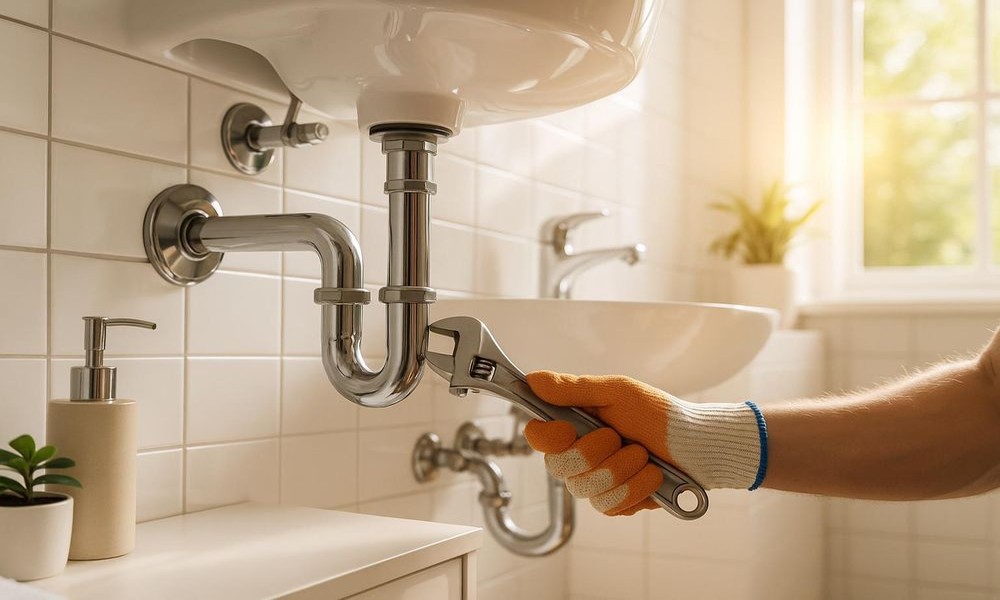
Preventive plumbing maintenance focuses on identifying and addressing potential problems before they become emergencies. From routine drain cleaning to timely water heater repair, proactive care can help homeowners protect their investments, extend the life of essential systems, and reduce the likelihood of costly surprises.
As more homeowners embrace long-term home improvement strategies, preventive plumbing maintenance has become an increasingly important part of protecting both comfort and property value.
Why Preventive Maintenance Is a Smart Home Improvement Strategy
Every system in a home experiences wear and tear over time.
Roofs require inspections. HVAC systems benefit from regular servicing. Appliances need occasional maintenance. Plumbing systems are no different.
The challenge is that many plumbing problems develop gradually. Small warning signs often appear months or even years before a major failure occurs. Because these changes happen slowly, homeowners may overlook them until a more significant issue demands attention.
Preventive maintenance shifts the focus from reacting to problems to preventing them.
Rather than waiting for a drain to completely clog or a water heater to stop producing hot water, homeowners can identify developing issues early and address them before they escalate into larger repairs.
Many plumbing experts recommend viewing maintenance as a form of home protection rather than an additional expense. Small maintenance tasks today often help prevent significantly larger costs in the future.
The Hidden Costs of Ignoring Plumbing Maintenance
Plumbing systems rarely fail without warning.
In many cases, homeowners experience subtle symptoms long before a serious problem occurs. Unfortunately, these warning signs are often dismissed because they do not immediately interfere with daily routines.
Some of the most commonly overlooked issues include:
- Slow-draining sinks
- Minor drain odors
- Inconsistent hot water
- Reduced water pressure
- Occasional unusual noises from plumbing fixtures
- Small fluctuations in water temperature
While these issues may seem minor, they can signal larger problems developing within the plumbing system.
Ignoring early symptoms may allow buildup, corrosion, sediment accumulation, or component wear to worsen over time. As problems become more severe, repair costs often increase as well.
This is one reason preventive maintenance remains one of the most cost-effective approaches to long-term homeownership.
Why Drain Cleaning Plays an Important Role in Home Maintenance
Many homeowners view drain cleaning as something that becomes necessary only after a blockage develops. In reality, routine drain maintenance can help prevent many common plumbing issues before they begin affecting the home.
Every day, household drains handle a variety of materials, including:
- Soap residue
- Grease
- Hair
- Food particles
- Mineral deposits
- Everyday debris
Even when drains appear to be functioning normally, small amounts of buildup can accumulate along pipe walls over time.
As this buildup increases, water flow gradually becomes restricted. Eventually, homeowners may begin noticing slower drainage, recurring clogs, unpleasant odors, or backups.
Routine drain cleaning helps remove accumulated debris before it reaches the point of causing significant problems. While simple home remedies can clear minor surface debris, hiring a qualified drain cleaning plumber in Dallas ensures that deep-pipe buildup, mineral deposits, and roots are safely thoroughly cleared before they lead to serious backups
Slow Drains Are Often an Early Warning Sign
One of the most common indicators that a drain may require attention is slower-than-normal drainage.
Because this change often develops gradually, homeowners may not immediately recognize it as a problem.
A sink that takes slightly longer to empty or a shower that leaves standing water for a few minutes may seem harmless. However, these symptoms frequently indicate buildup forming inside the drain system.
Addressing these warning signs early can often prevent more severe blockages later.
Recurring Clogs Can Signal Larger Issues
Occasional clogs are common in many households. However, repeated clogs occurring in the same fixture may suggest a more significant underlying problem.
Persistent buildup, partial blockages, or issues deeper within the plumbing system may contribute to recurring drainage problems.
According to experienced plumbers, recurring clogs are often easier and less expensive to address when identified early rather than after a complete blockage develops.
How Clogged Drains Can Lead to Costly Repairs
The consequences of neglected drains often extend beyond inconvenience.
When water cannot move through pipes efficiently, pressure and backups can create additional strain on the plumbing system.
In more severe situations, clogged drains may contribute to:
- Water damage
- Overflowing fixtures
- Pipe deterioration
- Increased moisture problems
- Mold growth in affected areas
These secondary issues often cost significantly more to address than routine drain maintenance.
For homeowners focused on protecting their property, preventive drain cleaning represents one of the simplest ways to reduce the likelihood of larger plumbing repairs.
The Overlooked Importance of Water Heater Maintenance
Water heaters are among the hardest-working appliances in a home.
Most households rely on hot water every day for bathing, laundry, cooking, cleaning, and numerous other activities. Despite this constant demand, many homeowners rarely think about their water heater until something goes wrong.
Unfortunately, waiting until a complete failure occurs can lead to expensive repairs, water damage, and significant disruption.
Preventive maintenance helps homeowners identify developing issues before they become emergencies.
Why Water Heaters Experience Wear Over Time
Like any mechanical system, water heaters experience gradual wear.
Internal components operate under high temperatures and constant use. Over time, sediment, minerals, and normal aging can affect system performance.
As these factors accumulate, homeowners may begin noticing:
- Reduced hot water availability
- Fluctuating water temperatures
- Longer heating times
- Unusual sounds from the unit
- Reduced energy efficiency
These warning signs often indicate that the system may benefit from inspection or maintenance.
Sediment Buildup Is a Common Problem
One of the most common issues affecting water heaters is sediment accumulation.
As water is heated, minerals and particles naturally settle within the tank. Over the years, this buildup can create a layer of sediment that interferes with efficient heat transfer.
Industry professionals explain that excessive sediment may force the system to work harder, increasing wear on components and reducing overall efficiency.
While sediment buildup often develops slowly, addressing it early can help prevent more significant water heater repair needs later.
Water Heater Repair Is Often Less Expensive Than Water Heater Replacement
Many homeowners assume that water heater problems automatically require a replacement.
In reality, numerous issues can often be resolved through timely repairs when identified early.
Components such as thermostats, heating elements, valves, and other parts may show signs of wear before causing complete system failure.
Addressing these concerns promptly may help extend the useful life of the water heater while reducing the likelihood of more extensive repairs.
According to plumbers at Dovis Plumbing, homeowners who respond to early warning signs often have more repair options available than those who wait until a complete breakdown occurs.
Small Plumbing Problems Rarely Stay Small
One of the most important principles of preventive maintenance is recognizing that small issues often grow over time.
A minor drain restriction today can become a significant blockage months later. A slight reduction in water heater efficiency can eventually develop into a larger repair issue.
The challenge is that plumbing systems continue operating even when problems begin developing. This allows many homeowners to postpone action because the inconvenience appears manageable.
However, hidden deterioration often continues behind the scenes.
By the time symptoms become severe enough to demand immediate attention, repair costs may be significantly higher than they would have been earlier in the process.
Modern Homeowners Are Taking a More Proactive Approach
Recent home improvement trends show a growing emphasis on protecting existing systems rather than simply upgrading visible features.
Homeowners increasingly recognize that preventive maintenance supports:
- Long-term property value
- Improved system reliability
- Lower repair costs
- Greater household efficiency
- Reduced risk of unexpected emergencies
This shift reflects a broader understanding that home improvement involves both appearance and functionality.
Maintaining plumbing systems through routine drain cleaning, water heater inspections, and other preventive measures helps ensure that essential infrastructure continues supporting everyday life.
The Long-Term Benefits of Preventive Plumbing Maintenance
Preventive maintenance may not deliver the immediate visual impact of a kitchen renovation or a new flooring installation, but its value often becomes clear over time.
Consistent maintenance can help homeowners:
- Reduce emergency repair situations
- Extend the lifespan of plumbing systems
- Improve appliance performance
- Protect against water damage
- Support household efficiency
- Maintain comfort and convenience
These benefits accumulate over the years, helping homeowners avoid disruptions while preserving the reliability of critical home systems.
Key Takeaways
- Preventive plumbing maintenance helps identify small problems before they become major repairs.
- Routine drain cleaning can help reduce buildup, recurring clogs, and drainage issues.
- Slow drains often serve as an early warning sign of developing plumbing problems.
- Neglected drain issues may contribute to water damage and costly repairs.
- Water heaters experience gradual wear and can benefit from ongoing maintenance.
- Sediment buildup is a common contributor to water heater performance issues.
- Timely water heater repair may help extend equipment life and prevent more significant failures.
- Preventive maintenance supports long-term home protection, efficiency, and reliability.
Conclusion
Home improvement is not only about enhancing the appearance of a home. It is also about protecting the systems that make daily life comfortable and convenient.
Preventive plumbing maintenance plays an important role in that effort. By paying attention to early warning signs, scheduling routine drain cleaning, and addressing water heater repair needs before they become emergencies, homeowners can reduce the risk of costly repairs while extending the life of critical plumbing components.
Over time, these proactive habits help create a more reliable, efficient, and resilient home-one that is better prepared to avoid the unexpected expenses that often accompany neglected plumbing systems.