
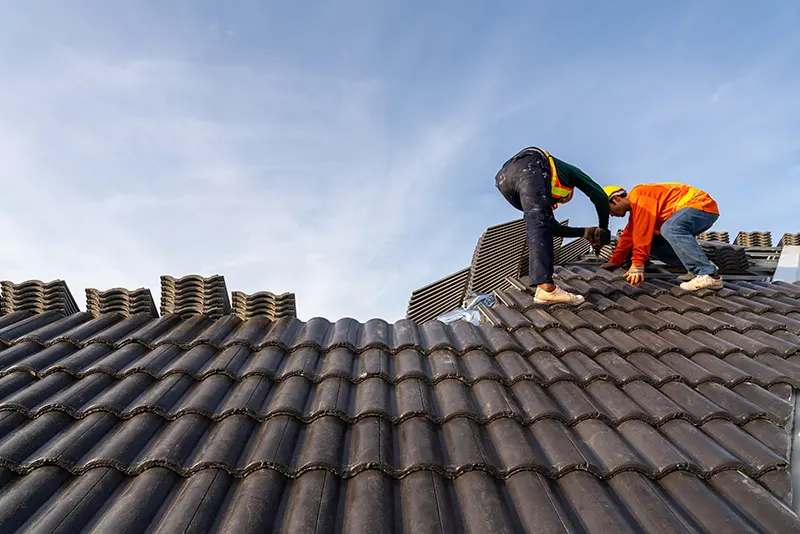
Understanding waterproofing for roofs requires more than casual knowledge of construction basics. It demands recognition that your roof represents your property’s first line of defence against Singapore’s challenging tropical climate, where annual rainfall averages exceed 2,400 millimetres and humidity rarely drops below oppressive levels. The historical record shows clearly that neglected roofs lead to systematic building deterioration, with consequences that extend far beyond aesthetic concerns. This isn’t alarmist thinking. It’s straightforward cause and effect, documented across decades of construction maintenance data and verified by every experienced contractor who’s witnessed preventable damage escalate into structural crises.
The Strategic Importance of Roof Protection
Your roof performs a singular critical function: keeping water out. When roof waterproofing systems fail, everything below becomes vulnerable. The progression is methodical and predictable. Water penetrates protective membranes, saturates insulation materials, compromises ceiling structures, damages interior finishes, and eventually threatens the building’s structural framework itself.
Singapore’s architectural landscape includes various roof types, each presenting distinct waterproofing challenges. Flat roofs on HDB blocks and modern commercial buildings face different stresses than pitched roofs on landed properties. Metal roofing requires different treatment protocols than concrete or tile systems. Understanding these distinctions matters because generic solutions rarely address specific vulnerabilities effectively.
A seasoned contractor specialising in roof waterproofing explains the fundamental principle: “Every roof system has potential failure points. Seams, joints, penetrations for pipes and vents, edges and transitions. Professional waterproofing addresses these vulnerable areas systematically, not randomly. It’s engineering, not guesswork.”
Common Failure Points and Warning Signs
Roofs don’t typically fail suddenly. They provide warnings, sometimes subtle, that owners who know what to look for can detect early:
- Visible cracks in roof surfaces or around penetrations
- Ponding water that remains days after rainfall
- Deteriorating sealants around roof edges and joints
- Interior water stains on ceilings or upper walls
- Unexplained increases in humidity levels indoors
- Peeling paint or bubbling surfaces on ceilings
- Mould growth in upper floor rooms or roof spaces
- Loose or damaged tiles on pitched roofs
Each symptom indicates that your existing waterproofing for roofs may be compromised. Timing matters considerably here. Early intervention prevents minor issues from developing into major problems requiring extensive remediation.
Material Selection and Application Methods
Roof waterproofing solutions have evolved significantly over recent decades. Modern systems offer superior performance compared to older technologies, but only when properly selected and correctly applied. The materials commonly used in Singapore include polyurethane coatings, acrylic membranes, cementitious waterproofing compounds, and various sheet membrane systems.
Material choice depends on multiple factors: roof type, existing conditions, budget constraints, expected lifespan, and maintenance requirements. No single product suits all situations. A flat concrete roof on a high-rise building demands different treatment than a sloped tile roof on a bungalow. Climate considerations also influence decisions. Materials must withstand intense UV exposure, thermal expansion and contraction cycles, and sustained moisture presence.
An experienced roof waterproofing specialist from Singapore emphasises proper application: “The best materials fail if application procedures aren’t followed precisely. Surface preparation is absolutely critical. Temperature and humidity during application affect curing. Thickness consistency matters. These details separate successful long-term protection from premature failure.”
The Cost-Benefit Analysis
Property owners naturally consider expenses when planning roof waterproofing projects. The financial calculation, however, extends beyond immediate costs. Quality waterproofing represents preventive investment that protects against far more expensive future repairs.
Consider the mathematics objectively. Professional roof waterproofing might cost several thousand dollars depending on roof size and system complexity. Compare this against potential costs of water damage: ceiling replacement, interior repainting, furniture replacement, mould remediation, structural repairs, temporary accommodation during major works, and diminished property value. The preventive investment appears considerably more economical when viewed through this comprehensive lens.
Maintenance Requirements and Longevity
Even properly installed waterproofing systems for roofs require regular maintenance. Nothing lasts forever without attention, particularly under Singapore’s demanding environmental conditions. Establish systematic inspection schedules, typically biannually or after severe weather events. Look for developing problems before they become critical.
Basic maintenance includes clearing debris from roof surfaces and drainage systems, checking sealants around penetrations, examining membrane integrity, and ensuring proper water runoff. Many issues caught early can be addressed with minor repairs rather than complete system replacement.
A veteran roof waterproofing contractor observes: “We see two types of property owners. Those who maintain their roofs preventively and those who call us desperately when water’s pouring through their ceilings. The first group spends less money over time and avoids the stress and disruption of emergency repairs.”
Professional Assessment Versus DIY Approaches
The internet provides abundant information about roof waterproofing, including DIY tutorials and product recommendations. However, roof work involves significant complexity and risk. Safety concerns alone argue strongly for professional engagement. Falls from roofs cause serious injuries and fatalities annually.
Beyond safety issues, proper diagnosis requires expertise. What appears to be a simple leak often traces to sources far from the visible damage. Professionals bring specialised knowledge, proper equipment, appropriate materials, and warranty-backed workmanship. These factors justify the additional expense over amateur attempts.
Making Informed Decisions
When planning waterproofing for roofs, obtain multiple assessments from qualified contractors. Compare not just prices but approaches, materials proposed, warranties offered, and contractor experience with similar properties. Request references and verify credentials. Ask detailed questions about methodology and expected outcomes.
Your roof protects everything beneath it. That simple fact should guide your decision-making process. Choose solutions based on effectiveness and longevity rather than lowest initial cost. Consider the historical evidence: quality waterproofing performed properly lasts decades, while cheap fixes fail repeatedly. The pattern is consistent and documented. Understanding the critical importance of waterproofing for roofs means recognising that this investment protects your property’s structural integrity, preserves your living environment, and maintains your financial investment for years ahead.