
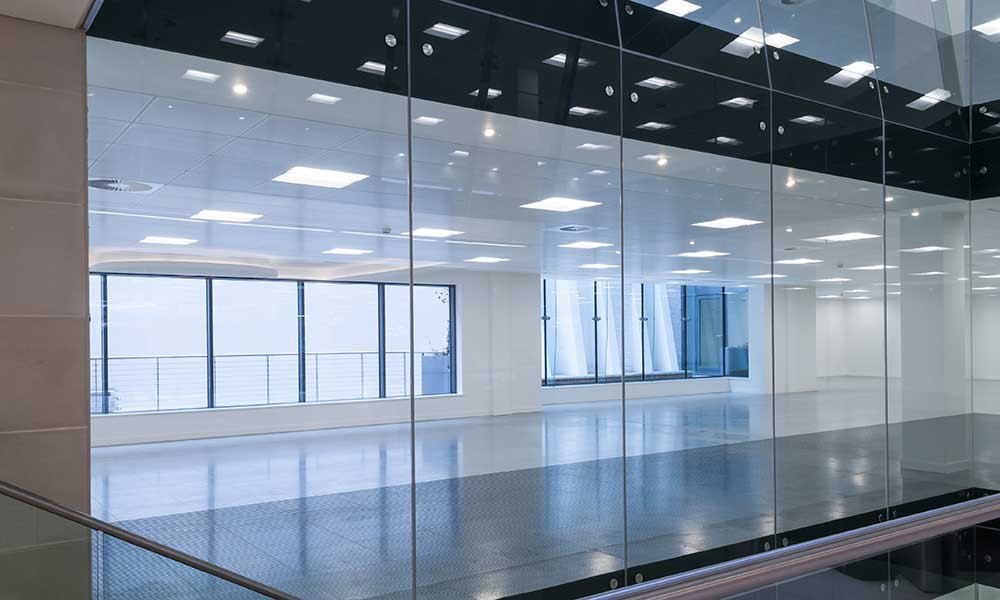
Workplace design shapes daily interactions. Modern offices often use open layouts. Many companies now prefer office glass cubicles. These structures allow visibility between colleagues. Transparency changes how teams connect. Walls no longer hide actions from others. Such spaces build trust within groups. People feel more included in the workflow. Seeing others work gives a sense of unity. It also makes supervision natural. This setting can shift how employees communicate. It can also change morale over time. Understanding these effects is important for leaders.
Encouraging Collaboration Through Visibility
Open glass panels create a sense of belonging. Clear boundaries still exist but they are visual. Teams see each other often during tasks. This exposure builds faster connections. Interaction becomes easy without formal scheduling. A small question can be asked quickly. Shared goals become visible in real time. Work progress can be observed without effort. This can reduce misunderstandings between members. Transparency supports informal learning throughout the day. Skills transfer naturally between individuals. People adopt good habits after seeing them used. This leads to stronger collective performance.
Improving Communication in Shared Environments
In an open cubicle setting visual contact is constant. Communication feels less forced and more natural. Eye contact becomes part of routine work. A nod or gesture can replace long messages. Ideas move faster when space feels open. Meeting spaces like the conference room support this flow. Quick discussions can happen without formality. Staff speak more when they feel connected. The layout invites conversation during short breaks. Less isolation encourages better problem solving. Shared awareness helps teams react to changes. Decisions can be made faster with mutual trust. This improves results across the workplace.
Boosting Workplace Morale
Seeing colleagues at work creates motivation. Quiet effort becomes visible and valued. Recognition happens through daily observation. Staff feel noticed even in routine tasks. This builds pride and job satisfaction. Visible spaces reduce the sense of separation. New members adjust faster when they see team activity. Morale rises when achievements are clear. Members can celebrate each success together. Celebrations become spontaneous in this open design. Emotional support is easier to provide when challenges arise. A transparent layout reminds everyone of shared goals. This fosters loyalty to the group vision. Positive energy can spread quickly across open spaces.
Balancing Openness With Privacy Needs
While glass cubicles offer transparency privacy is still important. Some tasks require focus without distraction. Visual openness can sometimes lead to pressure. Staff may feel watched during stressful moments. Leaders need to balance openness with private zones. Sound control is also a vital factor. Noise can travel easily in such layouts. Designers must create areas for quiet work. Flexible spaces can meet different needs. Privacy rooms allow sensitive talks without disruption. Balance ensures benefits without harming comfort. Employees thrive when options suit changing tasks. A healthy culture values both openness and respect for boundaries.
Conclusion
Office glass cubicles change more than aesthetics. They influence trust communication and morale. Visibility supports teamwork and shared goals. Conversations happen fast and with ease. Recognition and motivation grow naturally. Yet openness must be balanced with privacy. When designed with care such spaces excel. Leaders can use transparency to improve culture. Teams benefit from both connection and respect. Workplace design impacts every interaction each day. A thoughtful layout can inspire unity and growth. Transparent spaces hold the power to change how people work together. In turn this can shape long term success for any organisation.